 Français
 English
 Español
 Italiano
 Português
 Nederlands




Southfield (Vereinigte Staaten)
Stadt-Bewertungen
| Kriterium | Bewertung |
|---|---|
| 🛡️ Sicherheit | 7.5/10 |
| 💰 Lebenshaltungskosten | 6.8/10 |
| ☀️ Klima | 6.5/10 |
| 🌿 Umwelt | 7.2/10 |
| 🎭 Kultur | 7.0/10 |
| 🚌 Verkehr | 5.8/10 |
| 🏥 Gesundheitssystem | 8.2/10 |
| 📚 Bildung | 7.8/10 |
| 🏪 Handel und Dienstleistungen | 8.0/10 |
| 💼 Wirtschaftliche Chancen | 8.3/10 |
Über die Stadt
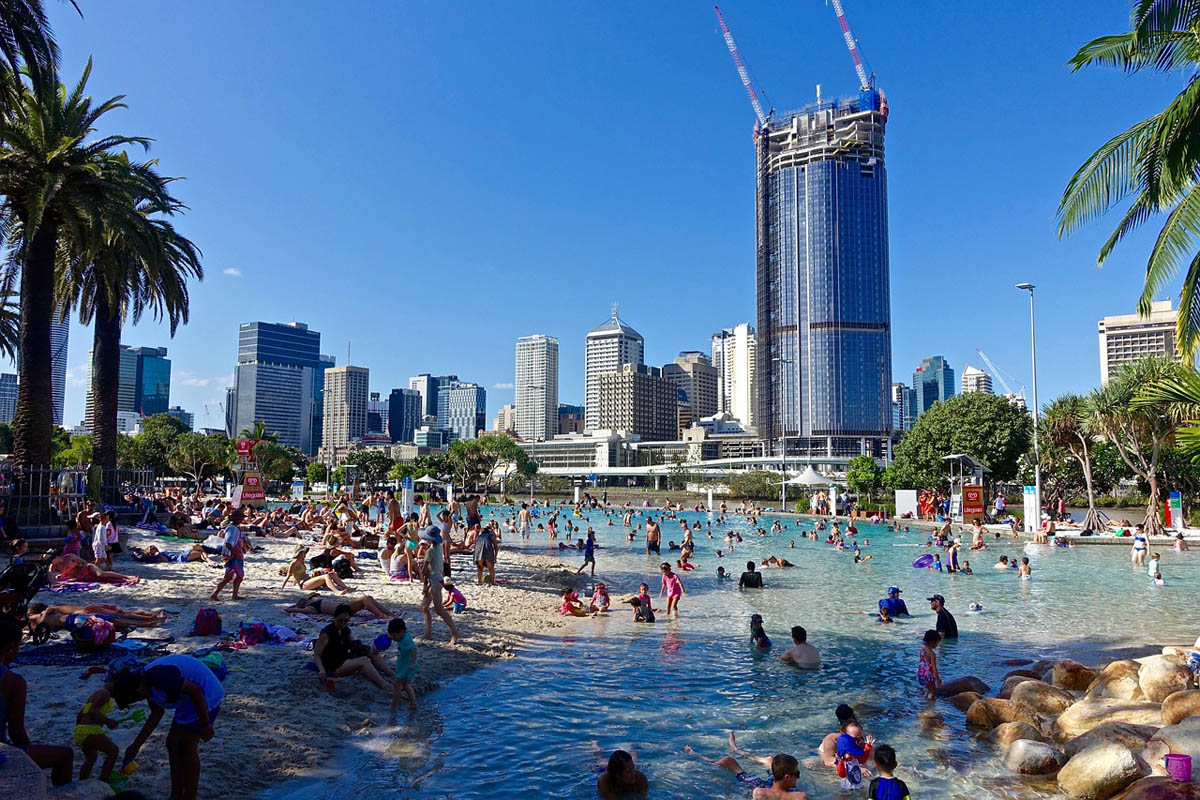
Southfield ist ein dynamisches Wirtschaftszentrum im Herzen der Metropolregion Detroit, das für seine markante Skyline aus Firmenhochhäusern und seine florierende Geschäftswelt bekannt ist. Die Stadt bietet eine einzigartige Mischung aus urbaner Erreichbarkeit und friedlichem Vorstadtleben mit weitläufigen Grünflächen und gepflegten Wohnvierteln. Bewohner und Besucher profitieren gleichermaßen von der günstigen geografischen Lage, die eine nahtlose Anbindung an die breitere Region von Michigan ermöglicht.
Top-Attraktionen
Southfield beherbergt das wunderschöne Naturschutzgebiet Carpenter Lake, das ruhige Wanderwege und malerische Stege über Feuchtgebiete bietet. Die Stadt ist zudem die Heimat des markanten Prudential Town Center-Komplexes, einem architektonischen Wahrzeichen der lokalen Skyline. Darüber hinaus besuchen Kunstliebhaber regelmäßig die Ausstellungen der öffentlichen Bibliothek von Southfield und lokale kulturelle Gemeinschaftsveranstaltungen.
Kriterien der Lebensqualität
Safety levels in Southfield remain generally favorable with reliable local law enforcement presence across commercial and residential sectors. Neighborhood patrol units actively monitor public zones to deter property theft and minor infractions. Most community areas maintain a secure atmosphere during daylight hours for families and commuting professionals. While evening caution is advised near specific transit corridors, overall violent crime rates stay comparatively low. Community policing initiatives further contribute to maintaining stable peace throughout the suburban environment.
Living expenses in this region reflect typical metropolitan economic pressures associated with southeastern Michigan communities. Housing prices and monthly rental agreements span moderate to high brackets depending on proximity to major corporate centers. Daily grocery expenditures and dining out costs align closely with national averages for mid-sized urban peripheries. Utility fees remain relatively manageable, though winter heating requirements can increase seasonal household expenses. Transportation costs are notable given the heavy reliance on personal vehicles for daily commuting.
The local climate showcases four distinct seasons characterized by warm summers and freezing, snowy winters. Summer months frequently bring comfortable temperatures with moderate humidity levels ideal for outdoor recreation. Autumn foliage provides exceptionally scenic conditions before winter temperatures drop below freezing from December through February. Spring serves as a transitional period marked by frequent rain showers and blooming vegetation. Annual precipitation is well-distributed, ensuring pleasant weather for the majority of the year.
Southfield features numerous well-maintained parks and protected green corridors that support local biodiversity and recreation. Urban forestry programs actively preserve tree canopy coverage throughout residential streets and public zones. Local municipal efforts focus on efficient waste management and water quality protection across natural wetlands. While industrial history leaves minor footprints, modern environmental standards are strictly enforced. Residents enjoy adequate access to outdoor sanctuaries despite the surrounding suburban density.
Cultural opportunities draw from a rich regional heritage intertwined with the broader Detroit metropolitan arts scene. The city hosts various community festivals, library art exhibitions, and public performance gatherings throughout the year. Local community centers regularly organize cultural workshops and historical displays celebrating regional diversity. While major world-class museums require a short drive into downtown Detroit, local options remain engaging. Community arts funding continues to support grassroots creative expression among residents.
Transportation infrastructure relies heavily on private automobile use due to the sprawling layout of the region. Major highway systems provide efficient commuting routes toward Detroit and neighboring business districts. Public bus transit options exist via regional networks, though service frequencies can be limited outside peak hours. Walkability is generally restricted to specific commercial centers and modern residential complexes rather than the entire city. Cycling infrastructure is gradually expanding through designated bike lanes and recreational paths.
Healthcare infrastructure is exceptionally strong, featuring prominent medical centers and specialized clinics nearby. Access to highly trained physicians and advanced medical technology ensures high standards of patient care. Emergency response times are prompt, supported by well-coordinated regional fire and rescue services. Health insurance coverage and medical facility distribution cater comprehensively to families and elderly residents. Preventative care programs are widely available across multiple community health networks.
Educational opportunities are supported by dedicated public school districts offering solid foundational learning programs. Several private institutions and specialized academies provide alternative choices for families seeking diverse pedagogies. Proximity to major universities in the metropolitan area enriches higher education pathways for local graduates. Public libraries offer extensive after-school resources, tutoring programs, and digital learning tools. Student-to-teacher ratios remain competitive, fostering positive classroom engagement and academic growth.
Commerce and essential services are exceptionally well-developed, featuring numerous shopping plazas and commercial complexes. Residents enjoy convenient access to major supermarkets, banking institutions, and diverse dining establishments. Digital service availability, high-speed internet infrastructure, and postal facilities operate at peak efficiency. Shopping malls like the local business centers provide comprehensive retail options without excessive travel. Essential civic services maintain streamlined operational hours to accommodate working professionals.
Economic opportunities stand out as one of the region’s greatest strengths due to its dense corporate infrastructure. The city serves as a major employment center for technology, automotive, and professional services industries. Career development prospects are robust, supported by numerous corporate headquarters located along major thoroughfares. Entrepreneurial ventures benefit from accessible co-working spaces and a supportive local business network. Job market growth rates remain steady, attracting skilled professionals from across the state.

Stadtvergleich
| Kriterium | Southfield | Royal Oak | Redford |
|---|---|---|---|
| 💰 Lebenshaltungskosten | 6.8/10 | 6.2/10 | 6.8/10 |
| 🏠 Immobilien | 1 450€ | 1 650€ | 1 250€ |
| 🚨 Sicherheit | 7.5/10 | 8.5/10 | 7.8/10 |
| 🌡️ Klima | 8 Sonnentage | 26 Sonnentage | 20 Sonnentage |
| 💼 Wirtschaftliche Chancen | 8.3/10 | 8.3/10 | 7.3/10 |
| 🚗 Transport & Verkehr | 5.8/10 | 7.2/10 | 6.8/10 |
| Lebensqualität | 7.4/10 | 8.1/10 | 7.8/10 |