



Eastern Europe: The Best Destinations for Expatriation
In recent years, Eastern Europe has emerged as a serious alternative to traditional Western European expatriation destinations. Cheaper, often more economically dynamic than you might think, and rich in cultural capital, it attracts more and more remote workers, freelancers, entrepreneurs, and even families seeking a better life balance.
But behind this trend, a question keeps coming up: what are the best Eastern European cities for expats?
The answer isn't one-size-fits-all. It depends on budget, desired lifestyle, professional opportunities, and expected comfort level. Some cities are very modern and international, others are more authentic and affordable. Some offer high quality of life but at a higher cost, while others focus on accessibility.
This guide offers a realistic and nuanced view of the main Eastern European destinations for expats.
Why Does Eastern Europe Attract So Many Expats?
Before comparing cities, it's important to understand why this region has become so attractive.
The first factor is obviously the cost of living. In many Eastern European capitals, you can still live decently on a budget far lower than what you'd need in Paris, London, or Amsterdam. Housing, transport, and dining out remain generally affordable.
But that's not the only element.
The region has also evolved significantly economically. Countries like Poland, the Czech Republic, and the Baltic states have undergone rapid modernization, with solid infrastructure, robust digital services, and strong integration into the European economy.
Finally, the rise of remote work has changed the game. More and more professionals no longer need to be physically present in major Western capitals, opening the door to cities offering a better balance of quality of life and overall cost.
Prague: Balance of History and Modernity
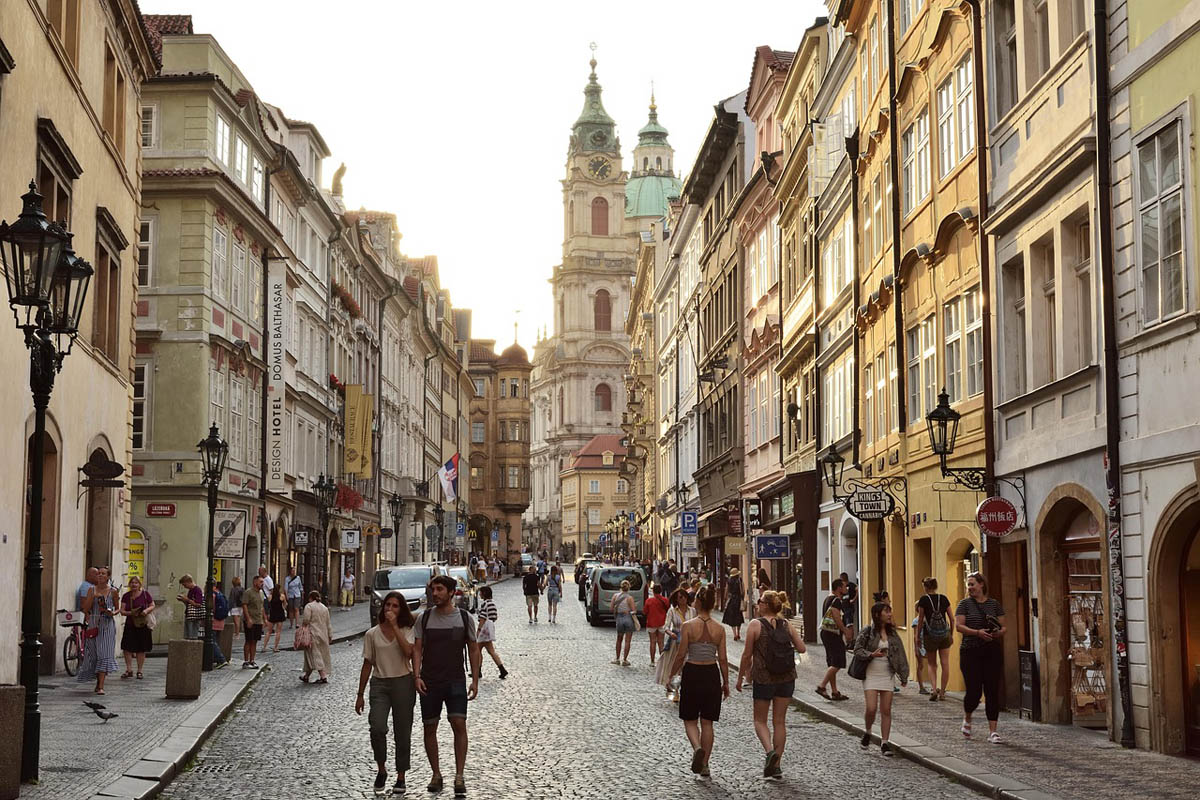
Prague is often one of the first cities mentioned in discussions of Eastern European expatriation. And for good reason.
The Czech capital offers a rare balance of historical heritage, rich cultural life, and modern infrastructure. The city is clean, well-organized, and very pleasant to live in daily.
It's also a very international city, thanks to the presence of many tech companies and European headquarters.
However, this comfort comes at a price. The cost of living in Prague is higher than in other regional cities, especially for housing. It remains, however, below major Western European capitals.
Prague particularly suits those seeking a stable, beautiful, and relatively comfortable European city without extreme costs.
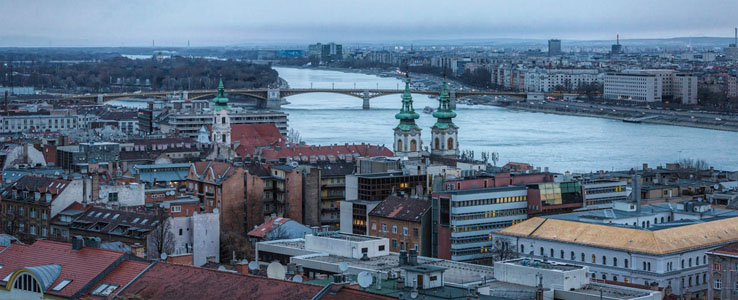
Budapest: The Most Balanced Capital?
Budapest is often considered one of the best Eastern European cities for expats, and for good reasons.
The Hungarian capital combines a still-reasonable cost of living with high quality of life. Housing remains accessible, social life is dynamic, and the city is especially pleasant to explore daily.
One of Budapest's great assets is its atmosphere. Between thermal baths, historic cafes, lively neighborhoods, and the Danube cutting through the city, the environment is particularly enjoyable.
Many digital nomads choose Budapest to stay for months or years. The city also has good remote-work infrastructure.
However, language can be a barrier, and some administrative procedures may be less smooth than in other European capitals.
Warsaw: The Rising Economic Power
Warsaw represents another facet of Eastern Europe: a modern, dynamic, forward-looking capital.
The city is Poland's economic center, a country that has seen strong growth for years. Many international companies, startups, and an active job market are found here.
Infrastructure quality is high, and local salaries are rising, creating a generally stable environment.
For expats, Warsaw offers modern urban living at a cost still lower than major Western European capitals.
However, some may find the city less "charismatic" than Prague or Budapest. It's more functional than romantic, more efficient than aesthetic.
Bucharest: The Economical and Dynamic Option
Bucharest is often underestimated in international rankings, but it's attracting more and more expats.
The Romanian capital offers a very competitive cost of living, especially for housing. This allows you to live comfortably on a relatively low budget.
The city is undergoing transformation, with a growing tech scene and a young, connected population.
However, urban infrastructure can be more uneven, and some areas are still in transition. Bucharest is therefore an interesting option for those seeking good value for money but willing to accept a less "polished" environment.
Sofia: Discreet but Accessible
Sofia, Bulgaria's capital, is another interesting destination for expats.
It stands out for its very low cost of living while offering a decent living environment. The city is surrounded by mountains, adding a pleasant natural touch.
The local job market is more limited than in other European capitals, but for freelancers and remote workers, Sofia can be a viable option.
It's a simple, unpretentious city that suits those primarily seeking an economical, stable life.
The Baltic Capitals: Tallinn, Riga, and Vilnius
The Baltic countries represent a special category in Eastern Europe. Smaller, but highly advanced digitally, they attract more and more international profiles.
Tallinn (Estonia)
Tallinn is particularly known for its digital advancement. It's one of Europe's "smartest" cities, with a fully digitized administration.
Quality of life is high, but the cost of living is higher than in other regional cities.
Riga (Latvia)
Riga is more affordable and has a more relaxed vibe. The city is attractive to expats seeking a good cost-to-quality trade-off.
Vilnius (Lithuania)
Vilnius is often considered one of the most pleasant Baltic capitals. It combines calm, modernity, and moderate living costs.
Belgrade: Energy and Nightlife
Belgrade, Serbia's capital, offers a very different experience.
The city is known for its energy, intense nightlife, and creative atmosphere. The cost of living is still low, attracting many young expats.
However, infrastructure levels and some administrative standards may be less aligned with EU norms.
Belgrade especially suits those seeking a vibrant, flexible urban experience.
Zagreb: Stability and Quality of Life
Zagreb, Croatia's capital, is often seen as a balanced city.
It's clean, calm, and offers a pleasant living environment without being excessively expensive. The atmosphere is more relaxed than in other regional capitals.
It's an interesting option for expats seeking stable quality of life without the extremes of major metropolises.
How to Choose the Right City?
Choice mainly depends on three factors:
- Available monthly budget
- Desired lifestyle
- Professional opportunities
Some cities prioritize modernity and infrastructure; others focus on cost of living or atmosphere.
In practice, there's no single "best city," but rather profiles of cities suited to different types of expats.
Conclusion: A Region Full of Opportunities
Eastern Europe is now an essential region for expats. It offers a wide range of choices, from highly modern capitals to more affordable, authentic cities.
Whether for remote work, reducing living costs, or just changing environments, this region offers many interesting options.
The key is aligning your expectations with local realities. A successful expatriation depends not only on the destination but also on your ability to adapt to a new environment.
From this perspective, Eastern Europe appears less as a compromise than as a true alternative to traditional destinations.