




Expatriation in Bangkok: Pros, Cons, and On-the-Ground Reality
Moving to Bangkok is one of those projects that seems appealing on paper—almost obvious for some profiles: lower cost of living than in Europe, tropical climate, exotic culture, and a feeling of permanent freedom. Yet once you're there, reality is always more nuanced than idealized images.
Bangkok isn't just an "exotic" destination. It's a megalopolis of over ten million people, a major economic hub of Southeast Asia, and a city where expats, locals, entrepreneurs, tourists, and digital nomads cross paths. This diversity is its strength, but also its complexity.
Before deciding to move there, it's important to understand what living in Bangkok on a daily basis truly means, beyond the clichés.
A Fascinating but Intense City to Navigate
The first thing that strikes you upon arriving in Bangkok is the intensity. The noise, the heat, the traffic, the smells, the visual contrasts… everything is amplified. For some, it's a constant stimulation. For others, it's a shock.
The city operates at a unique rhythm. You can go from a hyper-modern shopping mall to a street where cooking happens on the sidewalk in just a few minutes. This coexistence of modernity and tradition is everywhere.
What often surprises expats isn't just the city itself, but how it gradually imposes a new pace of life. You learn to deal with the heat, adjust your commute, avoid certain peak hours, and rethink your daily organization.
Over time, what seemed chaotic becomes more readable. But this adjustment phase is real and shouldn't be underestimated.
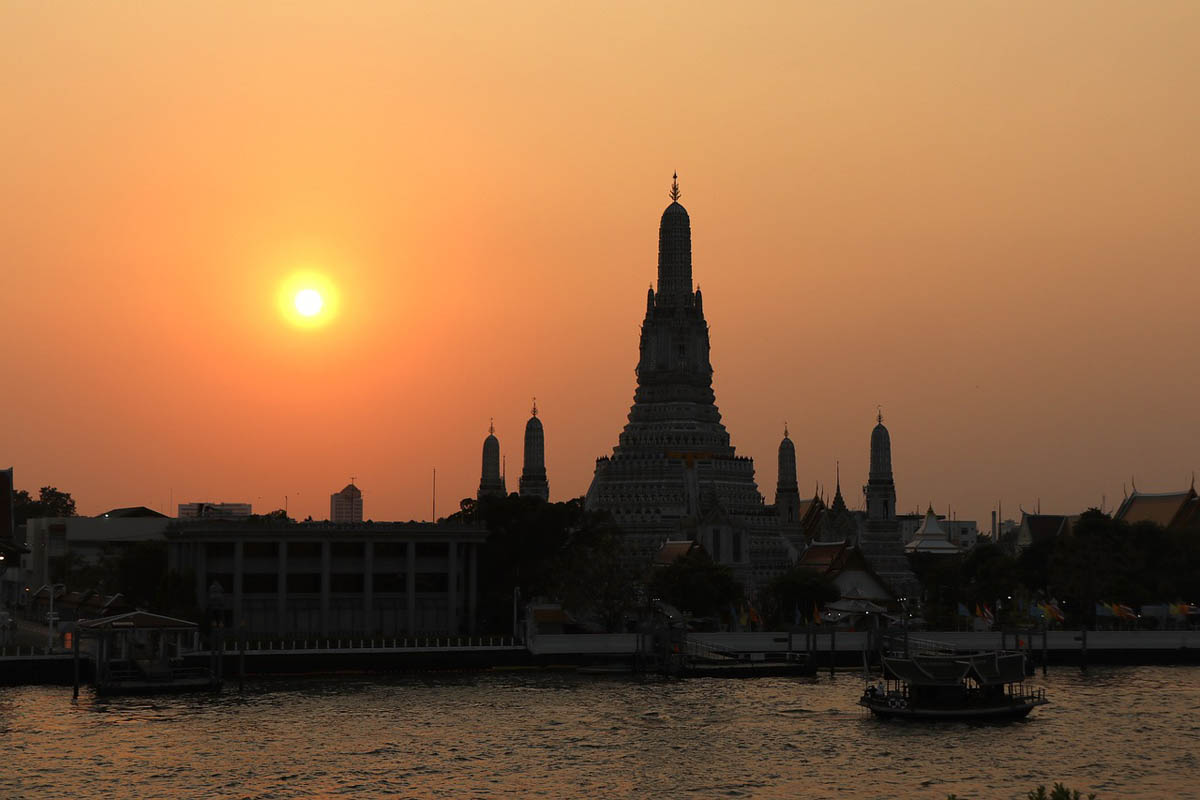
Why Bangkok Attracts So Many Expats
Bangkok has become a very popular destination for several concrete reasons, beyond just tourist appeal.
A Still-Accessible Cost of Living
Even though prices have risen in recent years, Bangkok remains generally more affordable than most Western cities. This allows some expats to improve their lifestyle, or simply live differently on the same budget.
A modern apartment with a pool and gym can cost the same as a studio in a European capital. Local food is also very accessible, significantly reducing daily expenses.
Flexible Quality of Life
Life in Bangkok offers rare flexibility. You can work from a cafe, order food at any hour, move around easily by public transport or ride-hailing, and choose between a very urban life or a calmer one depending on the neighborhood.
This flexibility especially appeals to freelancers and remote workers.
A Strategic Location in Asia
Bangkok is also a regional hub. From the city, it's easy to travel to Vietnam, Malaysia, Cambodia, or even Japan. Flights are frequent and often affordable.
For those who love to travel, this is a major advantage.
Daily Life in Bangkok: Between Comfort and Adaptation
Living in Bangkok isn't an extended vacation. Daily life is shaped by very concrete realities.
Climate, for example, plays a major role. Heat and humidity influence schedules, travel, and even social activities. Many expats adjust their daily rhythm to these conditions, avoiding outings during the hottest hours.
Traffic is another determining factor. Jams can be severe, especially in central areas. That's why many rely on public transport like the BTS (Skytrain) or MRT (subway), which bypass some of the problem.
In daily life, you also notice a high availability of services:
- Restaurants open late
- Fast delivery via apps
- Shops accessible almost everywhere
- Many coworking spaces
This accessibility gives a feeling of constant comfort, even if it comes with a certain level of noise and constant activity.
Housing: A Key Expatriation Factor
Housing choices hugely influence the Bangkok experience. The city offers a wide range of options, from basic studios to high-end condos with full services.
Neighborhoods popular with expats are generally well-connected and offer a good level of comfort. Sukhumvit, for example, is very international, with many shops, restaurants, and transport access.
Sathorn and Silom are more business-oriented, with a professional atmosphere during the day. Ari, on the other hand, attracts those seeking a quieter, more local environment with a "creative" touch.
In practice, modern apartments often include:
- Pool
- Gym
- 24/7 security
- Common spaces
This standardization of comfort often surprises newcomers, especially given the relatively low cost compared to Europe.
Working in Bangkok: Opportunities and Limits
Work in Bangkok depends heavily on your profile. Some opportunities exist, especially in:
- English teaching
- International companies
- Digital marketing
- Startups
- Tourism
However, the reality is more complex than it seems. Employment conditions can vary widely, and administrative rules are strict.
Many expats therefore choose alternative models like remote work or freelancing. This allows them to bypass some local constraints while enjoying the lifestyle.
But it's important to note that working legally in Thailand requires an appropriate visa, and procedures can be lengthy and tightly regulated.
Financial Realities: A Nuanced Picture
You often hear that Bangkok is a "cheap" city. This statement is partially true but depends heavily on lifestyle.
A person who lives locally, eats street food, and uses public transport can indeed live on a relatively small budget. Conversely, a more Western lifestyle (international restaurants, premium housing, frequent outings) can quickly increase expenses.
In reality, Bangkok mainly offers great financial flexibility. You can quite easily adjust your budget based on your choices.
Challenges of Expatriation in Bangkok
Like any expatriation, living in Bangkok has difficulties that shouldn't be ignored.
The language barrier is often the first obstacle. Even though English is present in tourist and professional areas, it remains limited in everyday life.
The administrative system, especially visas, can also be complex. Rules change regularly, requiring quick adaptation.
Air pollution is another important issue. Certain times of year can be difficult for sensitive individuals.
Finally, there's the question of cultural adaptation. Differences in social norms, communication, or administrative functioning can be surprising at first.
Everyday Pros and Cons
Without oversimplifying, here's what many expats take away after a few months or years on the ground.
Positive aspects often come down to:
- A more affordable life financially
- Great diversity of possible lifestyles
- Exceptional, ubiquitous cuisine
- A dynamic international community
Tougher points tend to be:
- Pollution and climate
- Traffic jams
- Administrative procedures
- Cultural adaptation
A City That Transforms Your Lifestyle
What makes Bangkok unique is that it leaves no one indifferent. It gradually changes habits, priorities, and sometimes even how you work or consume.
Some expats find lasting balance; others see the experience as a life stage. But either way, Bangkok leaves a strong impression.
It's a city that demands adaptation but offers in return a rich experience hard to replicate elsewhere.
Conclusion
Expatriation in Bangkok is neither a perfect dream nor inherently difficult. It's a complex reality, with real opportunities and concrete constraints.
Those who adapt discover a dynamic, accessible, and deeply vibrant city. Those who arrive with unrealistic expectations may be disappointed.
The key lies in understanding the terrain: Bangkok isn't a city to idealize, but one to learn to navigate.