



Living in Budapest: Quality of Life and Daily Reality
Moving to Budapest has attracted more and more expats in recent years. The Hungarian capital has gradually established itself as one of the most interesting destinations in Eastern Europe for those seeking a balance between quality of life, reasonable costs, and a pleasant urban environment.
But living in Budapest isn't just a few postcard images. Between its majestic bridges over the Danube, historic thermal baths, and impressive architecture, the city offers a rich but sometimes contrasting experience.
To understand what living in Budapest truly means, you need to look beyond aesthetics and consider daily life, constraints, opportunities, and how expats adapt to this city.
A European Capital with a Unique Charm
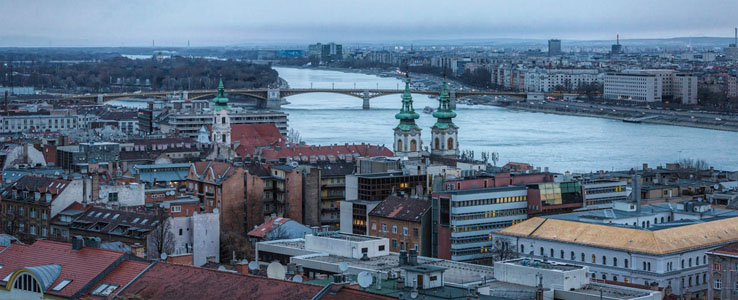
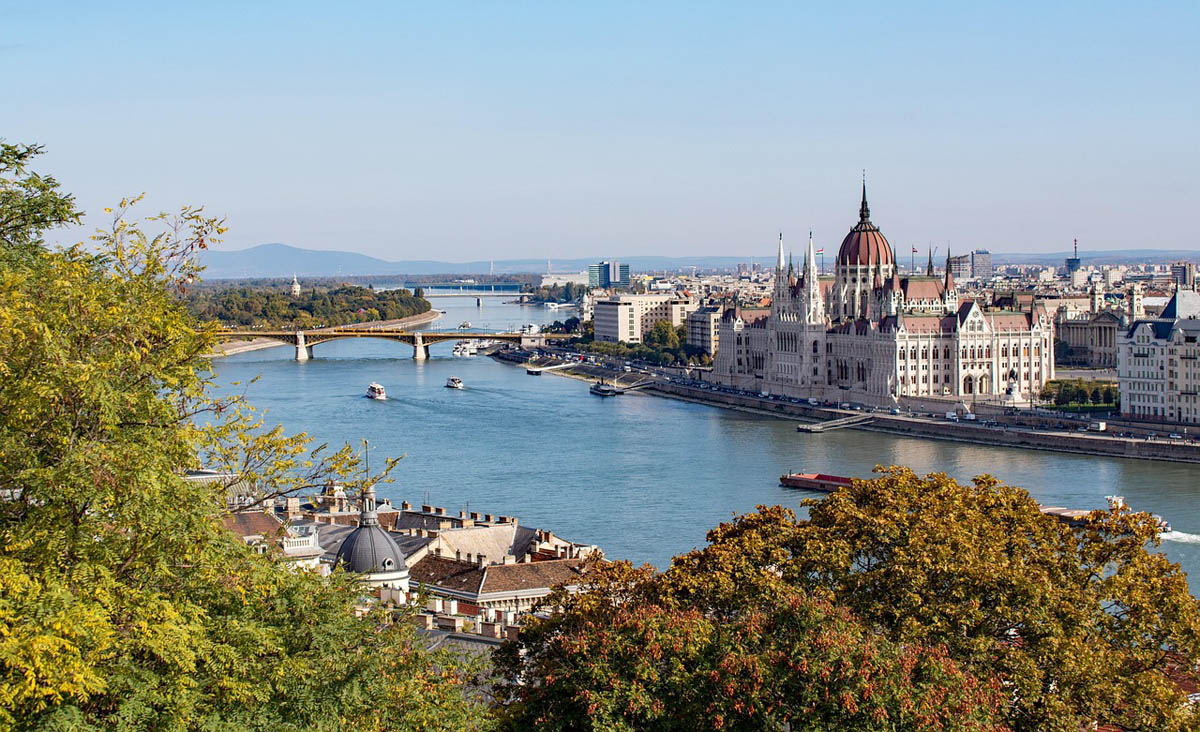
Budapest is often described as one of Europe's most beautiful capitals. And this reputation is deserved. The city is divided into two main parts: Buda and Pest, separated by the Danube, giving it a strongly marked geographic identity.
Buda is quieter, more residential, with hills and elegant neighborhoods. Pest is more dynamic, more urban, with shops, offices, and nightlife.
This contrast creates interesting diversity. You can live in a relatively peaceful atmosphere while being just minutes away from dense urban life via transport.
Architecture also plays a big role in overall perception. Historic buildings, grand avenues, and illuminated bridges at night give Budapest a unique atmosphere often appreciated by expats.
Cost of Living: A Still-Real Advantage
One of Budapest's main draws remains its cost of living, which is still below that of major Western European capitals.
Even though prices have risen in recent years, it's still possible to live on a reasonable budget, especially compared to Paris, London, or Berlin.
Housing is the biggest expense, but remains generally affordable by European standards. Other expenses like food and transport are also more accessible.
In practice, an expat can often:
- Live in a modern apartment without an excessive budget
- Go out regularly without strong financial pressure
- Access quality services at moderate cost
However, price differences between neighborhoods and housing types can be significant.
Neighborhoods of Budapest: A City of Many Faces
Budapest isn't a uniform city. Neighborhood choice strongly influences the living experience.
Central Pest is very lively, with many bars, restaurants, and cultural activities. It's popular with young expats and digital nomads, even if it can be noisier.
Buda offers a more residential, calmer atmosphere. You'll find more spacious housing, often with better quality of life for families or those seeking tranquility.
Certain districts like District V or District VII are particularly popular among expats, each with its own characteristics.
Neighborhood diversity allows everyone to find an environment suited to their lifestyle, but it often requires some exploration before settling permanently.
Housing: Between Modernity and History
Budapest's housing market is quite varied. You can find modern apartments in new buildings as well as older units in historic buildings.
Modern apartments often offer interesting amenities like well-insulated spaces, modern equipment, or integrated services. Older units can charm with their character but sometimes pose challenges in terms of insulation or maintenance.
Rental demand has increased in recent years, partly due to the arrival of many expats and remote workers, leading to some price increases, but Budapest remains more affordable than many European capitals.
Working in Budapest: Opportunities and Limits
Budapest's job market is growing, especially in services, IT, and international companies.
Many multinationals have set up service centers in the city, creating opportunities for qualified profiles, especially in support, finance, and technology.
However, for expats not speaking Hungarian, local opportunities outside these sectors may be limited.
That's why many expats in Budapest work remotely or freelance for foreign companies.
This model works particularly well here, thanks to a reasonable cost of living and good connectivity.
A City Well-Suited to Digital Nomads
Budapest has become a popular destination for digital nomads, and this is explained by several factors.
The city has many coworking spaces, good internet connectivity, and an active international community. It's relatively easy to meet other remote workers.
The cost of living also allows for a good balance between income and expenses, essential for this lifestyle.
Finally, the city is large enough to offer dynamic urban living without the stress level of some megacities.
Quality of Life: Between Comfort and Adaptation
Quality of life in Budapest is generally perceived as good, but it depends heavily on personal expectations.
The city offers a good balance of urban life, culture, leisure, and financial accessibility. Public transport is efficient, the city is relatively well-organized, and daily services are easily accessible.
However, some aspects may require adaptation:
- The language barrier—Hungarian is difficult to learn
- Some administrative procedures that can be complex
- Cultural differences in daily interactions
These factors aren't blockers, but they're part of the overall experience.
Social Life and Integration
Social life in Budapest is quite dynamic, especially in central neighborhoods.
Expats can easily meet other foreigners through events, bars, online groups, or coworking spaces.
The international community is well-established, making initial integration easier.
Integration with locals, however, can take longer. Hungarians are generally welcoming, but the language barrier sometimes limits deeper interactions.
Daily Pros and Cons
Living in Budapest has clear advantages but also some limits worth knowing.
Most Frequently Cited Positives
- Still-affordable cost of living
- Beautiful architecture and pleasant living environment
- Good cultural and social offerings
- Active international community
- Well-located city in Europe
Tougher Points
- Complex, inaccessible language
- Cold, sometimes long winters
- Gradual price increases
- Limited local job market for non-Hungarians
Who Is Budapest a Good Destination For?
Budapest particularly suits certain profiles:
Digital nomads find a good balance of cost and comfort. Freelancers appreciate the stability and environment. European expats see it as an affordable alternative to major Western capitals.
Conversely, it may be less suited to those seeking rapid local professional integration or full cultural immersion without language barriers.
Conclusion: A Balanced but Not Perfect City
Living in Budapest is generally positive for many expats, but it doesn't suit all profiles.
The city offers a good compromise between quality of life, reasonable cost, and attractive urban environment. It allows comfortable living while staying in Europe—a major advantage for many.
However, like any expatriation, it requires an adjustment period and a realistic understanding of the local context.
Budapest is neither an ideal city nor a difficult one. It's a balanced city, with its strengths and limits, that can become an excellent choice for those seeking a different lifestyle without completely breaking from Europe.