



Quality of Life in Barcelona: Between Sea, Climate, and Tourist Pressure
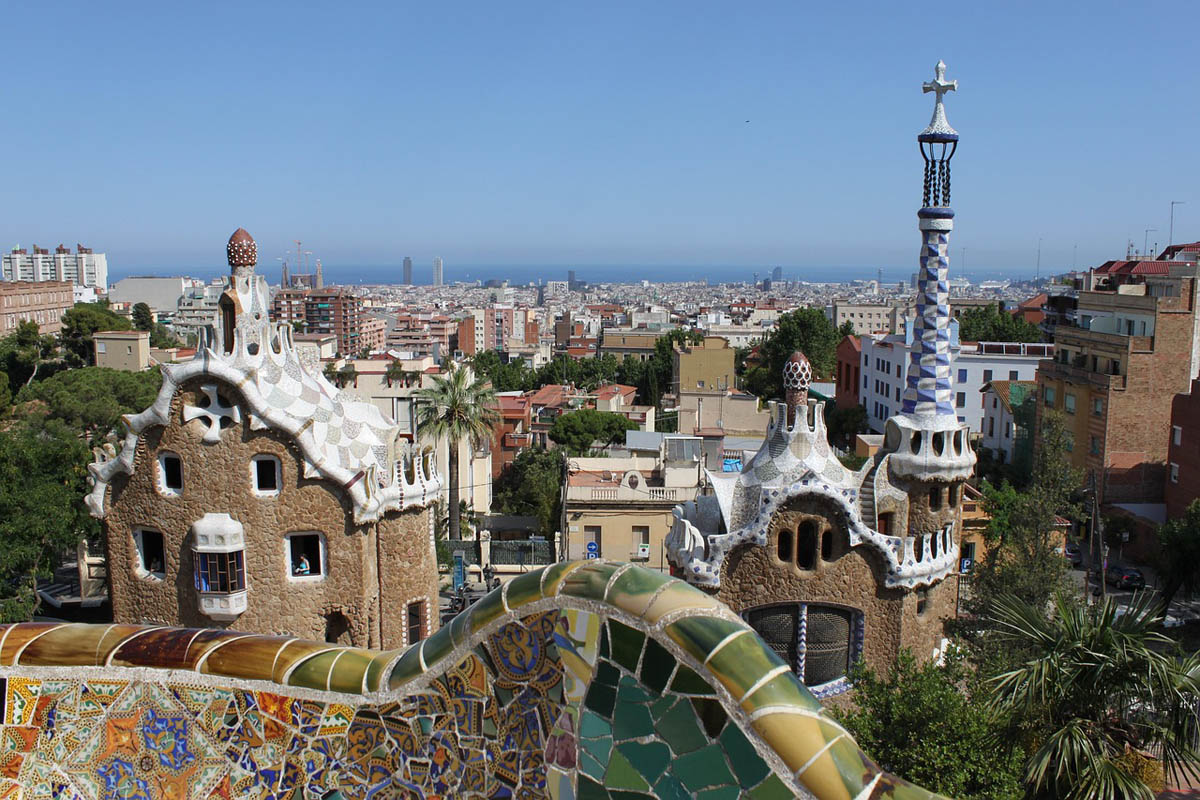
Barcelona is one of those cities that immediately evokes a collective imagination. You think of the sea just minutes away, unique architecture, vibrant urban life, and a mild climate almost year-round. For many, it's an ideal, almost obvious destination when seeking a better quality of life in Europe.
But daily reality is more nuanced. Living in Barcelona isn't just about seaside strolls or terrace evenings. It's also dealing with high tourist density, significant real estate pressure, and a city constantly evolving under the weight of its global popularity.
Understanding quality of life in Barcelona therefore requires accepting this permanent duality between immediate pleasure and structural constraints.
A City Where the Sea Influences Daily Life
One of the first things that sets Barcelona apart from other major European metropolises is its direct access to the sea. This proximity isn't symbolic—it's concrete and daily. In just a few minutes, you can go from dense urban environment to an open beach on the Mediterranean.
This layout has a real impact on quality of life. The sea breeze softens temperatures, reduces harsh winters, and makes outdoor spaces usable much of the year. Natural light is also important: it influences mood, habits, and even residents' daily rhythms.
For many expats, this permanent connection to the sea becomes a structuring element of well-being. It allows for simple routines: walking on the beach in the morning, running late afternoon, or just sitting by the water to disconnect from urban pace.
However, this proximity also attracts heavy foot traffic. Urban beaches are rarely empty, especially in summer. What can be a daily luxury sometimes becomes a saturated space depending on the season.
A Generally Favorable but Sometimes Misleading Climate
Barcelona's climate is often presented as a major argument for the city. And on paper, it's hard to argue. Winters are relatively mild, summers warm but bearable thanks to the sea, and intermediate seasons particularly pleasant.
This climate stability allows for a very outdoor-oriented life. Terraces, parks, and public spaces are used year-round. This creates a vibrant urban atmosphere where the boundary between inside and outside is often blurred.
But this climate has limits. Humidity can be high, some summer periods become oppressive, and rain episodes, though less frequent, can be intense. Above all, climate comfort attracts a huge number of visitors, reinforcing tourism pressure on the city.
Thus, the climate improves daily quality of life but also indirectly contributes to overtourism tensions.
Highly Contrasted Urban Quality of Life
Barcelona is a dense, active, and very vibrant city. This urban energy is often seen as an asset. Neighborhoods are lively, shops numerous, cultural life rich, and entertainment options nearly endless.
This intensity creates a form of comfort for those who love dynamic environments. It's rare to feel isolated or disconnected. The city runs continuously, with constant activity day and night.
But this vitality has a downside. Noise, population density, and traffic can quickly become tiring in some neighborhoods. Quality of life then depends heavily on your choice of residence.
Some neighborhoods offer a more residential, calmer atmosphere, while others are deeply marked by tourism and nightlife. This fragmentation makes the Barcelona experience highly variable depending on the area.
Tourist Pressure: A Central Factor
One of the most determining elements in Barcelona's quality of life is undoubtedly tourist pressure. The city is one of Europe's most visited destinations, with direct consequences for residents' daily lives.
In some areas, tourist presence is permanent. Streets are lively around the clock, shops adapt to this international clientele, and public spaces become intense transit points.
This situation creates structural tension. On one hand, tourism supports the local economy. On the other, it profoundly alters the city's balance. Residents must deal with saturation of certain spaces, rising prices, and progressive transformation of the urban fabric.
This pressure is especially visible in central neighborhoods and near major attractions. It affects not only quality of life but also real estate dynamics.
Housing: A Major Quality-of-Life Issue
Barcelona's housing market is one of the most determining factors in residents' experience. Demand is strong, especially due to the city's international appeal, creating constant pressure on prices.
Finding affordable, well-located housing can become a challenge, especially in the most sought-after neighborhoods. This pushes some residents to move away from the center to find a better balance of price, space, and tranquility.
Neighborhood choice becomes strategic. It's not just about comfort, but overall quality of life. Poorly located housing can transform your daily experience, even in a city as attractive as Barcelona.
This real estate reality is often underestimated by newcomers, but it plays a central role in long-term satisfaction.
Mobility and Daily Life
Mobility is another strong point of Barcelona. Public transport is well-developed and allows you to get around easily without a car. Metro, bus, and tramway cover most daily needs efficiently.
This accessibility directly contributes to quality of life. It reduces car dependency and makes daily life easier in a dense city.
However, as in many major metropolises, peak hours can be crowded and certain routes heavily used. The city remains generally fluid, but it doesn't escape the reality of high urban density.
Social Life and Integration
Barcelona is an international city. You'll find the local population, of course, but also a large community of expats and foreign workers. This diversity creates an open social environment where meeting people is relatively easy.
Social life often centers around public spaces: cafes, restaurants, beaches, parks. The outdoor culture is very present, encouraging informal interactions.
However, this openness can also create a form of social fragmentation. Some expats mainly stay among themselves, while others integrate more into local dynamics. The experience depends greatly on personal investment.
A Quality of Life Dependent on Expectations
Quality of life in Barcelona can't be summarized simply. It depends heavily on the person's profile, expectations, and adaptability.
For some, the city represents an almost ideal balance of climate, urban life, and sea access. For others, it can become tiring due to tourist pressure, cost of living, or density.
What emerges most is the need to consciously choose your lifestyle. Barcelona doesn't offer a single experience, but multiple possible versions of urban life.
An Attractive but Demanding City
Barcelona remains an extremely attractive destination in Europe. Its quality of life rests on real elements: pleasant climate, cultural richness, sea access, and solid infrastructure.
But this appeal comes with significant structural constraints. Tourist pressure, a tight housing market, and urban density are all part of the experience.
Living in Barcelona therefore means accepting a form of permanent balance between comfort and complexity. A city where you gain a lot in quality of life in some aspects, while dealing with very real tensions in others.
It's precisely this duality that defines Barcelona today: a desirable, vibrant city, but never entirely simple.