


Retiring in Siem Reap: Quality of Life, Budget, and Daily Life in Cambodia
Siem Reap is often reduced to its role as the gateway to the Angkor temples. Yet for a growing number of foreign retirees, the city represents much more than a tourist stop. It becomes a place to live—sometimes even a long-term choice—where you reinvent how you spend your retirement.
This choice is never entirely trivial. It's based on a set of very concrete factors: the cost of living, daily quality, climate, but also more subjective elements like the feeling of freedom, pace of life, or simplicity of social interactions.
Siem Reap isn't a spectacular city in the Western sense. It doesn't try to impress with its modernity or organization. It works differently, with its own logic—sometimes disorienting, but often coherent once understood.
A City Between Global Tourism and Local Life
What immediately characterizes Siem Reap is the permanent coexistence of two worlds. On one side, intense tourist activity around the city center, with hotels, international restaurants, travel agencies, and infrastructure designed for visitors. On the other, a much quieter local life expressed in peripheral neighborhoods.
For a retiree, this duality can be an advantage. You can choose your daily environment according to your mood: live in a lively, connected area, or settle in a quieter neighborhood surrounded by vegetation, local markets, and quiet streets.
This flexibility is one of the city's major assets. You can easily adjust your level of immersion in local or expat life without being locked into a single lifestyle.
Daily Life: A Different Perception of Time
Living in Siem Reap involves a gradual transformation in your relationship to time. Here, daily organization is less rigid than in Western countries. Schedules are more flexible, administrative constraints sometimes slower, and human interactions follow a less rushed rhythm.
This reality can be surprising at first. Familiar reference points partially disappear, which can create temporary disorientation. But over time, many retirees describe a feeling of relaxation—even relief.
Daily life then takes on a different structure. Mornings often become the most active part of the day. Shopping, appointments, or walks happen early, before the heat becomes too intense. Afternoons are calmer, sometimes dedicated to rest, reading, or indoor activities.
This rhythm, largely dictated by climate, becomes the new norm. It's less a constraint than a natural adaptation.
Cost of Living and Purchasing Power
The cost of living in Siem Reap is one of the main factors attracting foreign retirees. Compared to Europe or North America, you can live here on a much lower budget while maintaining a decent level of comfort.
Housing is usually the biggest expense. There's a wide variety of properties available, from simple small apartments to more modern houses with gardens or pools. Prices remain generally affordable, even in areas near the center.
Food is another strong point. Local markets offer abundant fresh produce at low cost. Local restaurants allow you to eat for very modest sums, making daily life flexible and financially unconstrained.
Everyday services like housekeeping, transport, and some personal care are also affordable. This allows many retirees to delegate certain tasks and maintain a high level of comfort despite an overall reduced budget.
However, this picture must be nuanced. Lifestyle heavily influences expenses. A very Westernized life with regular consumption of imported products and frequenting upscale venues can quickly increase your monthly budget.
Tropical Climate and Physical Adaptation
Siem Reap's climate is a structuring element of daily life. It's hot and humid almost year-round, alternating between dry and rainy seasons.
This constant heat requires gradual adaptation. Outdoor activities are more effective early morning or late afternoon. The hottest hours often require staying indoors or in air-conditioned spaces.
The rainy season dramatically changes the city's atmosphere. Showers can be intense but are often brief. They temporarily transform the streets but also bring welcome coolness and lush vegetation.
For some retirees, this climate is an asset. For others, it represents a significant constraint. Adaptation depends largely on personal tolerance to heat and humidity.
Healthcare and Medical Infrastructure
Healthcare is essential in any retirement project abroad. In Siem Reap, medical infrastructure exists but remains limited compared to Western standards.
Private clinics can handle most routine care. They generally offer decent service for basic consultations, minor treatments, or non-complex emergencies.
However, for more serious conditions or specialized interventions, it's often necessary to travel to Phnom Penh or neighboring countries with more developed healthcare systems.
This reality requires serious preparation in advance. Appropriate international health insurance is strongly recommended—practically essential. It allows you to anticipate costs and guarantee access to better-quality care if needed.
Social Life and Gradual Integration
Social life in Siem Reap rests on an interesting balance between the expat community and the local population.
The foreign community plays an important role in integrating newcomers. It facilitates initial contacts, information exchange, and creating social connections. There are many meeting places, cafes, and events where retirees can gather.
At the same time, the local population remains accessible and generally welcoming. Even if language can be a barrier, daily interactions are simple and natural. A smile, a few gestures, and a respectful attitude are often enough to create connection.
Over time, some expats choose to deepen their integration by learning some basics of the local language. This can greatly enrich exchanges and deepen understanding of the surrounding culture.
Administrative Procedures and Settlement
Settling in Siem Reap requires some administrative preparation. Cambodia's visa system is relatively flexible, but you need to understand its mechanisms.
Long-term visas exist and can be renewed, sometimes with the help of local specialized agencies. This assistance is often used by expats to simplify procedures.
Opening a bank account, renting housing, or other daily formalities may require initial support, especially at the beginning of your stay.
Once the first steps are completed, administrative management usually becomes simpler and more routine.
Why Siem Reap Attracts So Many Retirees
Siem Reap attracts for a combination of factors. Cost of living plays an important role, but it doesn't explain everything.
The city offers a form of daily simplicity that strongly contrasts with the administrative and social complexity of many Western countries. This simplicity—sometimes imperfect—is often perceived as a breath of fresh air.
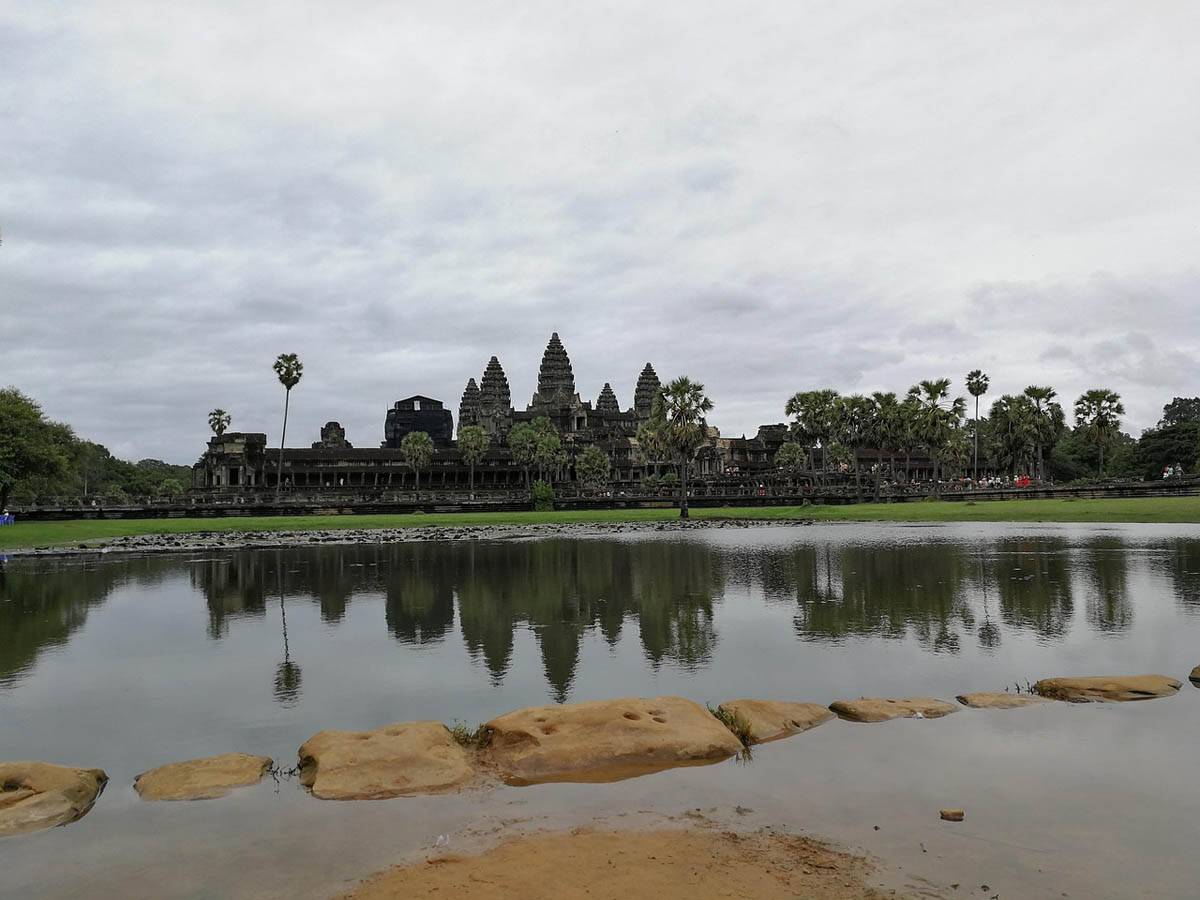
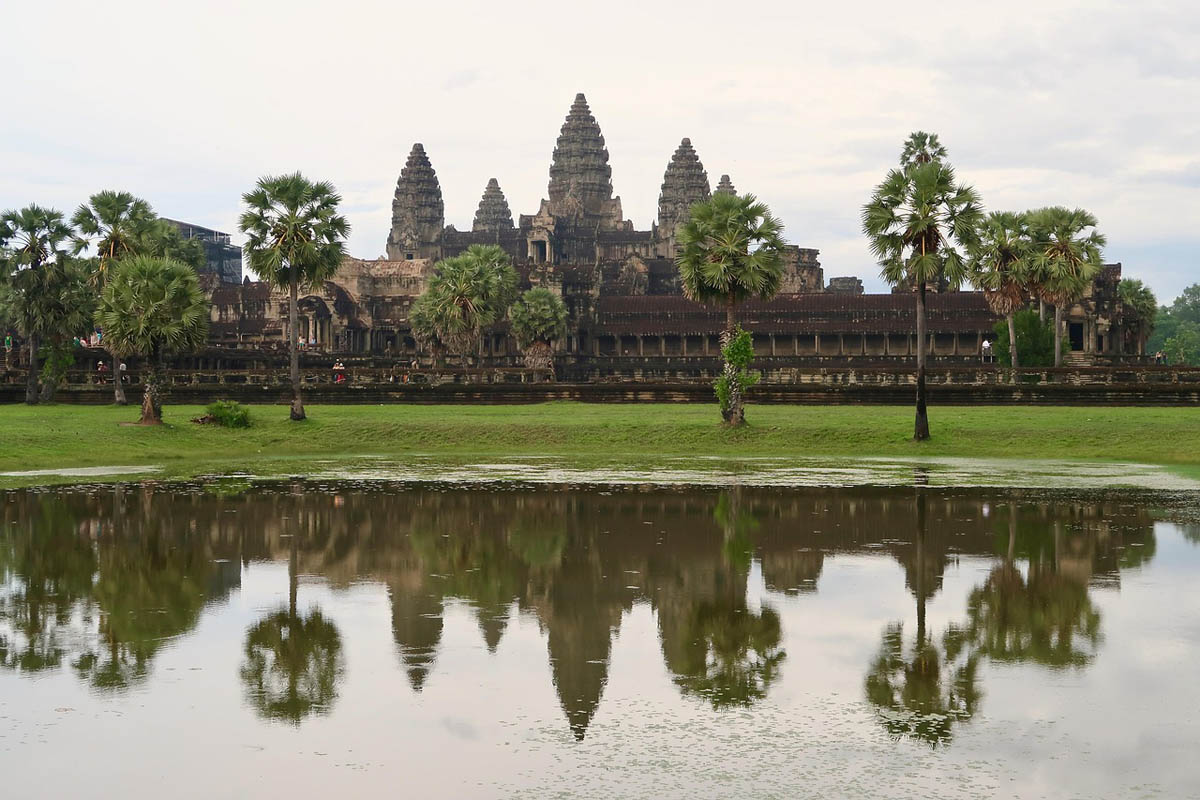
The proximity of the Angkor temples also adds a unique cultural dimension. Few cities in the world allow you to live so close to such a major historical site while maintaining an accessible daily life.
There's also a search for freedom. Relative financial freedom, freedom of pace, freedom in daily organization. For some retirees, it's precisely this paradigm shift that motivates their move.
An Attractive but Demanding Destination
Despite its many assets, Siem Reap isn't a universal destination. It requires real adaptability.
Climate, cultural differences, sometimes limited infrastructure, and geographic distance are all factors to consider seriously before settling.
Retiring in Siem Reap isn't just a geographic relocation. It's a profound lifestyle change, requiring mental flexibility and openness to the unexpected.
For those who accept this dynamic, the city can offer a different retirement—simpler, sometimes freer, often more economical.
For others, it can quickly reveal its limits.
In any case, Siem Reap remains a singular destination that generally leaves no one indifferent.