


Which City to Choose in Southeast Asia for Expatriation?
Expatriating to Southeast Asia has become a seriously considered option for a growing number of people. Between remote workers, freelancers, entrepreneurs, and those simply seeking a better quality of life, the region has become a unique testing ground.
But when it comes time to act, one question always returns: which city to choose?
The difficulty doesn't come from a lack of options, but rather from their abundance. Bangkok, Chiang Mai, Kuala Lumpur, Bali, Ho Chi Minh City, Singapore… each destination offers a different experience, sometimes radically opposed to the previous one.
So there's no single answer, but rather a series of choices to make based on your lifestyle, priorities, and adaptability.
A Region That Doesn't Function as a Homogeneous Block
One of the first mistakes future expats make is considering Southeast Asia as a uniform entity. In reality, differences between countries are major—sometimes greater than between continents.
Singapore resembles a hyper-organized Western city more than a classic tropical capital. Bangkok is a dense, fast-paced, sometimes chaotic but extremely vibrant megalopolis. Bali offers an almost insular experience centered around a slower, wellness-oriented lifestyle. Kuala Lumpur sits somewhere between modernity and accessibility.
This diversity is a strength, but it forces you to think seriously before choosing.

Bangkok: Intensity and Opportunity
Bangkok is often the first city that comes to mind. And for good reason: it's one of the region's most important hubs.
The city is vast, dynamic, and extremely connected. You'll find modern infrastructure, giant shopping malls, business districts, and also more local areas where daily life follows a completely different rhythm.
What often strikes newcomers is the constant contrast. You can go from a designer cafe frequented by expats to a lively street where street food is everywhere in just a few minutes.
The city demands a certain adaptability. Traffic can be intense, heat constant, and noise omnipresent. But in return, Bangkok offers a richness of experience hard to match.
It's also a city very well-suited to remote work. Coworking spaces are numerous, the international community is large, and daily services are easy to access.
For many, Bangkok represents a compromise between modern comfort and Asian immersion.
Chiang Mai: A Simpler, Slower Life
At the opposite end of the spectrum from Bangkok, Chiang Mai offers a much calmer experience.
Located in northern Thailand, surrounded by mountains and nature, the city has attracted a large digital nomad community for years.
The pace of life is slower, less stressful, and often more affordable financially. You'll find an interesting balance between modern comfort and everyday simplicity.
What's particularly appealing:
- Relatively low cost of living
- Relaxed atmosphere
- Large international community
- Easy access to nature
However, Chiang Mai isn't for those seeking intense urban life or many local professional opportunities. It's better suited to those who work online or already have an independent income source.
Bali: Between Postcard and Daily Reality
Bali holds a special place in the expat imagination. The Indonesian island is often associated with an idyllic life, between beaches, rice paddies, and aesthetic cafes.
And to some extent, this image reflects reality. Bali offers a unique living environment, very different from large Asian cities. Daily life can be more relaxed, more focused on wellness and outdoor activities.
But this destination has also evolved rapidly. Some very popular areas like Canggu have seen massive tourist growth, leading to higher prices and significant densification.
Traffic can be difficult, especially in tourist areas, and infrastructure isn't always consistent.
Bali remains a highly sought-after destination for:
- Remote workers
- Creative types
- Those seeking a change of pace
But it requires a good understanding of its limits to avoid disappointment.
Kuala Lumpur: Quiet Stability
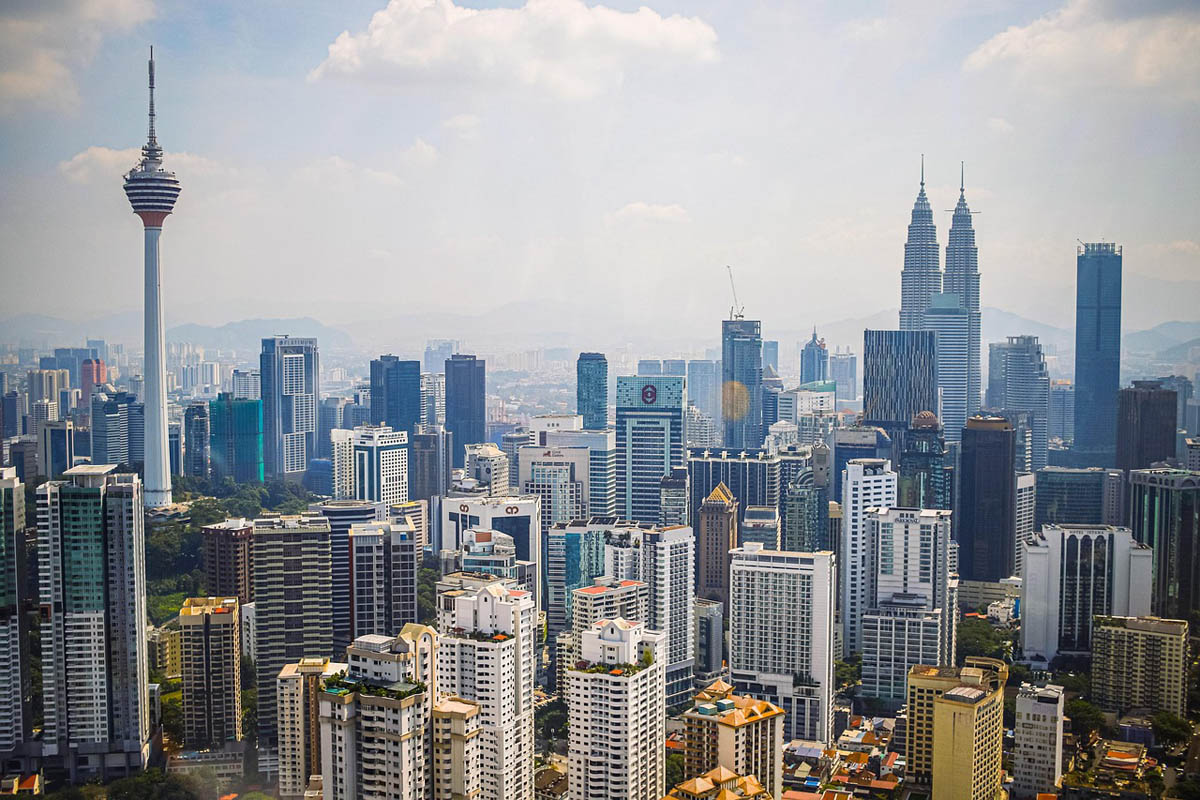
Kuala Lumpur is often underestimated in expatriation discussions, yet it represents one of the region's most balanced options.
The Malaysian capital is modern, well-organized, and offers a relatively stable environment. Infrastructure is solid, transport efficient, and the city is generally calmer than Bangkok or Ho Chi Minh City.
The cost of living remains reasonable, especially given the quality of services available.
What sets Kuala Lumpur apart is its multiculturalism. The city blends Malay, Chinese, Indian, and international influences, creating a very diverse environment.
It particularly suits those seeking:
- Comfortable urban living
- Good safety levels
- A more structured organization
- A stable professional environment
Ho Chi Minh City: Energy and Growth
Ho Chi Minh City, still often called Saigon, is one of Vietnam's most dynamic cities.
It's an expanding metropolis with a unique energy. Streets are lively, traffic intense, and economic activity constantly evolving.
The city attracts more and more entrepreneurs and foreign workers, thanks to its relatively low cost of living and economic potential.
However, Ho Chi Minh City can be demanding. Noise, pollution, and urban density are part of daily life.
It's a city suited to those seeking an immersive, dynamic experience rather than immediate comfort.
Singapore: Maximum Efficiency at a High Cost
Singapore is a case apart in Southeast Asia. The city-state is often considered one of the most efficient in the world.
Everything is organized, clean, safe, and functional. Public transport is exemplary, infrastructure modern, and services extremely reliable.
But this quality comes at a high price. The cost of living in Singapore is among the highest in the region, especially for housing.
Singapore best suits professionals with high incomes or those working for large international companies.
It's a city of performance rather than a relaxed lifestyle.
How to Compare These Cities Intelligently?
Rather than looking for an absolute "best city," it's more relevant to compare based on personal criteria.
Budget is often the first filter. Some cities allow you to live comfortably on little, while others require high income.
Work type is also decisive. A digital nomad won't have the same needs as a corporate expat or a settled family.
Finally, the desired lifestyle plays a central role. Some prioritize tranquility, others urban intensity, others proximity to nature.
Common Mistakes When Choosing
Many people make similar mistakes when choosing their destination:
- Relying solely on images or social media
- Underestimating cultural differences
- Not testing the city before moving
- Ignoring visa constraints
- Neglecting the climate and its daily effects
A successful expatriation often depends on good preparation and a realistic view of the destination.
Conclusion: A Personal Choice Above All
Choosing a city in Southeast Asia for expatriation doesn't rely on objective ranking. There's no perfect destination, only matches between a place and a lifestyle.
Bangkok attracts with its diversity and energy. Chiang Mai charms with its simplicity. Bali inspires with its environment. Kuala Lumpur reassures with its stability. Ho Chi Minh City energizes with its intensity. Singapore impresses with its efficiency.
The right choice is the one that matches your personal priorities, not the one that's most popular.
And in this particularly rich and contrasting region, adaptability often makes the difference between a simple experience and a truly successful settlement.