


Bangkok Named Best City in Asia 2026 by DestinAsian Readers
Bangkok has just been crowned the Best City in Asia in 2026 by the readers of DestinAsian magazine, a recognition that confirms what many travelers have already felt for years: Thailand’s capital has become one of the most fascinating urban centers on the continent. Blending deep-rooted traditions with a fast-paced modern lifestyle, Bangkok continues to attract, surprise, and inspire an increasingly global audience.
This recognition is far from accidental. Over time, Bangkok has established itself as a metropolis that brings together worlds that seem to stand in contrast. On one side, there are golden temples, floating markets, and Buddhist rituals that still shape daily life. On the other, futuristic skyscrapers, massive shopping complexes, and a constantly evolving culinary scene define its modern identity. This ongoing contrast is not a contradiction—it is the essence of Bangkok’s charm.
A City That Never Stops Reinventing Itself
One of the most striking aspects of Bangkok is its ability to constantly evolve without losing its cultural soul. Every year, new districts emerge, new hotels open, and new cultural spaces appear. Yet despite this rapid transformation, the city maintains a strong sense of continuity that sets it apart from many other Asian megacities.
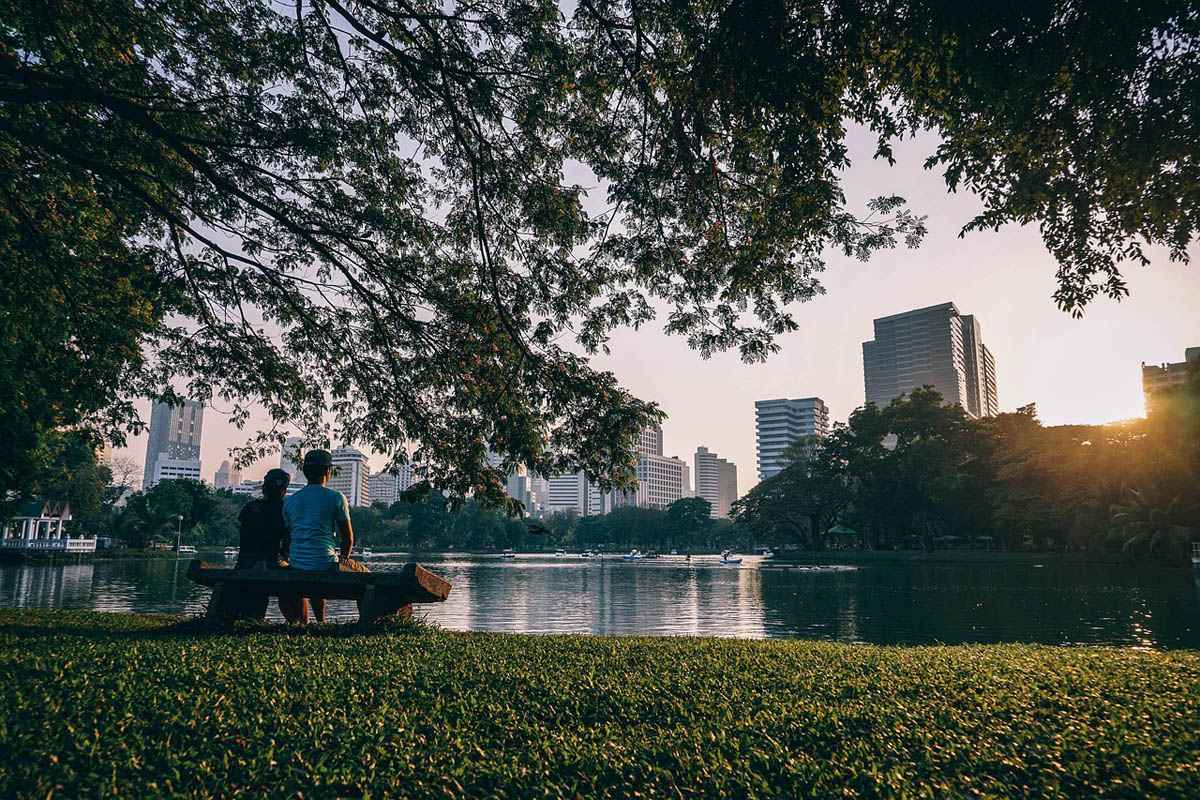
First-time visitors are often captivated by this duality. It is entirely possible to begin the day in a quiet riverside temple along the Chao Phraya River and end it in a rooftop bar overlooking a glowing, futuristic skyline. This constant shift between spiritual calm and urban intensity creates an experience that is difficult to replicate anywhere else in the world.
A Culinary Scene That Has Gone Global
Bangkok’s popularity among DestinAsian readers is also strongly tied to its food culture. Thai cuisine is now globally recognized, but it is in Bangkok that it reveals its full depth and diversity. From humble street food stalls to Michelin-starred restaurants, the city offers an extraordinary range of culinary experiences.
On busy streets, the air is filled with the scents of Thai basil, lemongrass, chili, and grilled meats. Night markets create a sensory journey where every dish feels like a story in itself. Just a few blocks away, internationally trained chefs reinterpret traditional flavors in elegant dining rooms that attract food lovers from all over the world.
This coexistence between street food culture and high-end gastronomy is central to Bangkok’s identity. It ensures that every traveler, regardless of budget, can experience something memorable and authentic.
A Living Culture That Remains Accessible
Beyond its modern energy, Bangkok remains deeply connected to its cultural and spiritual roots. Buddhist temples such as Wat Pho and Wat Arun continue to welcome both worshippers and visitors in an atmosphere of quiet reflection. These sites are not only tourist attractions but active centers of spiritual life.
Local traditions remain an essential part of everyday life. Religious festivals, community ceremonies, and neighborhood markets continue to shape the rhythm of the city. This cultural depth gives Bangkok a sense of meaning that is sometimes missing in more purely modern urban environments.
At the same time, contemporary art and creative industries are expanding rapidly. Galleries, exhibitions, and creative hubs are flourishing in districts such as Thonglor and Ari, turning Bangkok into a meeting point between tradition and innovation where local and international artists interact freely.
A Tourist Destination in Constant Transformation
The DestinAsian recognition also reflects how Bangkok has evolved as a global travel destination. It is no longer just a stopover city on a Southeast Asia itinerary—it has become a destination in its own right. The hospitality sector has expanded significantly, offering everything from modern budget stays to world-class luxury hotels.
Transportation improvements have also played a key role in this transformation. The BTS Skytrain and MRT systems have made it significantly easier to move around a city once known for its heavy traffic congestion. Today, exploring different neighborhoods is far more convenient and efficient.
This improved accessibility has made Bangkok even more appealing not only to tourists but also to long-term digital nomads who choose to stay for months at a time.
A Unique Urban Energy That Stands Out
What truly sets Bangkok apart from other major Asian cities is its energy. There is a constant sense of movement that flows through its streets, markets, and neighborhoods. While this energy may appear chaotic at first, it quickly becomes part of the city’s appeal.
Bangkok is always active, yet never meaningless. Each district has its own rhythm, identity, and atmosphere. This diversity creates a vibrant urban mosaic where every experience feels different from the last.
A Recognition That Reflects a Growing Trend
Being named Best City in Asia in 2026 by DestinAsian readers confirms a trend that has been building for years. Bangkok continues to grow in popularity not only as a tourist destination but also as a hub for business, culture, and long-term living.
This recognition also reflects changing traveler expectations. Modern travelers increasingly look for destinations that offer a complete experience—combining culture, food, modern infrastructure, and authenticity. Bangkok delivers all of these elements with remarkable ease.
Conclusion
Bangkok is far more than a tourist destination. It is a constantly evolving city that offers a rich, layered, and deeply human experience. Its recognition as the Best City in Asia in 2026 by DestinAsian readers highlights its unique ability to appeal to a wide range of travelers.
Between tradition and modernity, spirituality and urban intensity, Bangkok continues to define its own path. And if this award proves anything, it is that Thailand’s capital still has many more stories to tell the world.