


Reykjavík Named the Safest City for Travelers in 2026
Nestled among volcanoes, lava fields, glaciers, and the icy waters of the North Atlantic, Reykjavík continues to stand out as one of the world's most unique destinations. The capital of Iceland has officially been named the safest city for travelers in 2026 by Berkshire Hathaway Travel Protection, further strengthening its reputation as a place where safety, tranquility, and quality of life are not marketing slogans but part of everyday reality.
At a time when many major cities are associated with congestion, stress, and growing security concerns, Reykjavík offers a completely different experience. Life moves at a gentler pace, the atmosphere feels remarkably relaxed, and visitors often describe an immediate sense of comfort upon arrival. This feeling is not simply the result of Iceland's small population. It is deeply connected to a culture built on trust, respect, social cohesion, and a strong sense of community.
For travelers seeking a destination that combines natural beauty with peace of mind, Reykjavík has become one of the most attractive choices in the world.
A Human-Scale Capital Surrounded by Extraordinary Nature
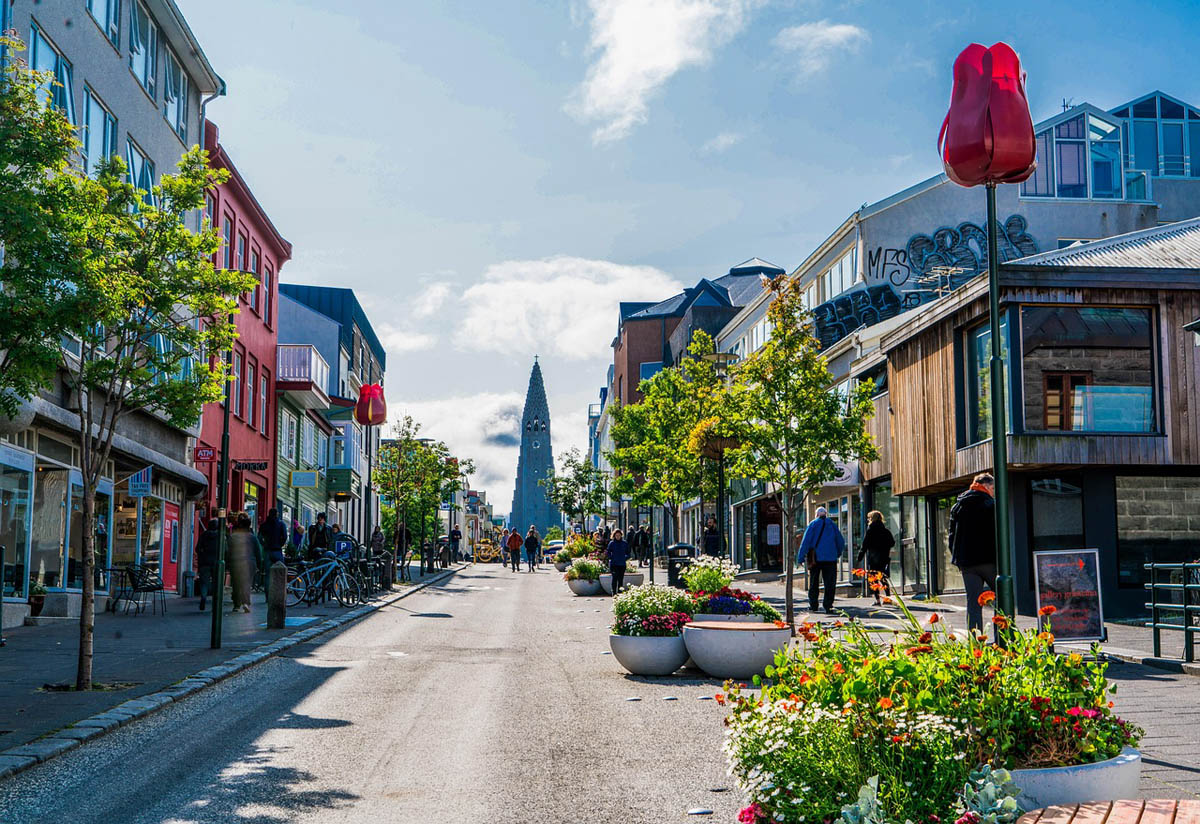
Although Reykjavík is the capital of Iceland, it does not resemble many of the world's large capitals. With a relatively modest population, the city maintains a welcoming and approachable atmosphere. Visitors can easily navigate the city center, explore neighborhoods on foot, and quickly become familiar with their surroundings.
This accessibility contributes significantly to the sense of security that many travelers experience. Unlike sprawling megacities where distances can feel overwhelming, Reykjavík offers a compact urban environment where everything feels manageable and convenient.
Yet what truly sets the city apart is its extraordinary natural setting. Few capitals can claim to be surrounded by such dramatic landscapes. Volcanic mountains, lava fields, geothermal areas, and vast coastal views are all located within easy reach of the city.
Even in the heart of downtown Reykjavík, nature is never far away. A short walk can lead to sweeping ocean views, rugged coastlines, or panoramic viewpoints overlooking the surrounding landscape. This constant connection with nature creates a calming atmosphere rarely found in modern urban environments.
The combination of urban comfort and natural beauty plays a major role in Reykjavík's appeal and contributes to its growing reputation as one of the world's safest and most relaxing destinations.
Safety Built on Social Trust
The recognition awarded by Berkshire Hathaway Travel Protection is not based solely on low crime statistics, although Iceland consistently ranks among the safest countries in the world. The city's safety is also rooted in a unique social culture centered on trust and mutual respect.
Icelandic society is known for its strong social bonds, relatively low levels of inequality, and high levels of institutional trust. These factors create an environment where people generally feel secure in their daily lives.
Visitors often notice this immediately. Walking through Reykjavík during the day or late at night feels surprisingly comfortable compared to many other international destinations. The atmosphere is calm, people are respectful, and there is little sense of tension or insecurity.
This social stability extends beyond the city itself. Iceland's strong public institutions, transparent governance, and close-knit communities contribute to a level of societal confidence that is increasingly rare around the world.
As a result, travelers frequently describe Reykjavík as one of the few places where they can fully relax and focus on enjoying their experience without constantly worrying about personal safety.
A Destination Defined by Nature
Reykjavík cannot be separated from the remarkable environment that surrounds it. Iceland itself is a land shaped by powerful natural forces. Volcanoes, glaciers, geysers, waterfalls, and geothermal landscapes have created some of the most spectacular scenery on Earth.
Just outside the capital, visitors can discover landscapes that seem almost otherworldly. Vast lava fields stretch across the horizon, geothermal steam rises from the ground, and dramatic coastlines reveal the raw power of nature.
This proximity to untouched wilderness creates a unique contrast. Reykjavík offers the convenience and infrastructure of a modern city while remaining deeply connected to the natural world.
For many travelers, this balance is one of the city's greatest strengths. It allows visitors to enjoy comfortable accommodations, excellent restaurants, and cultural attractions while remaining only minutes away from some of the most breathtaking natural environments in Europe.
A Globally Recognized Quality of Life
Safety is only one aspect of Reykjavík's appeal. The city is also frequently praised for its exceptional quality of life.
Clean air, efficient public services, modern infrastructure, and a strong focus on well-being contribute to a lifestyle that many residents consider highly desirable. Despite its remote location, Reykjavík offers a sophisticated urban experience without many of the pressures associated with larger metropolitan areas.
The city's cultural scene is also surprisingly vibrant. Museums, music festivals, art exhibitions, and cultural events take place throughout the year, reflecting Iceland's strong commitment to creativity and artistic expression.
Residents place significant value on work-life balance, personal well-being, and community engagement. These priorities help create an atmosphere that feels both productive and relaxed.
The result is a city where people enjoy a high standard of living while maintaining a close connection to nature and local culture.
Growing International Popularity
Over the past decade, Reykjavík has become increasingly popular among international travelers. More people are seeking destinations that offer authenticity, safety, and meaningful experiences rather than simply famous landmarks.
Reykjavík fits perfectly within this trend. Visitors are drawn not only by Iceland's natural wonders but also by the peaceful and welcoming atmosphere of its capital.
Despite growing tourism numbers, Iceland has made significant efforts to manage visitor growth responsibly. Sustainability and environmental preservation remain key priorities, helping protect the very qualities that make the country so appealing.
This balanced approach ensures that travelers can continue to enjoy a high-quality experience while preserving Iceland's unique natural heritage.
An International Recognition That Feels Well Deserved
Being named the safest city for travelers in 2026 confirms what many visitors already experience firsthand. Reykjavík offers a rare combination of security, comfort, and authenticity that is increasingly difficult to find elsewhere.
The recognition also reflects changing traveler priorities. Today, safety, quality of life, environmental beauty, and genuine local experiences are becoming just as important as traditional tourist attractions.
In this evolving travel landscape, Reykjavík stands out as a destination that excels across all these categories.
Conclusion
Reykjavík is far more than the capital of Iceland. It is a destination that offers a unique blend of natural beauty, social stability, and everyday peace of mind.
Its recognition as the safest city for travelers in 2026 highlights qualities that have long defined the city: trust, tranquility, and a strong connection to both community and nature.
For travelers looking for a destination where safety and authenticity go hand in hand, Reykjavík remains one of the most compelling choices in the world. In an increasingly complex and fast-paced world, the Icelandic capital offers something many people are searching for: the opportunity to slow down, feel secure, and reconnect with what truly matters.