 Français
 Deutsch
 Español
 Italiano
 Português
 Nederlands



Bucharest: A New Digital Nomad Hub—Opportunity or Lasting Trend?
In recent years, Bucharest has gradually emerged on the map of attractive destinations for digital nomads and freelancers. Long off the tourist radar and traditional expatriation circuits, the Romanian capital is now undergoing rapid transformation.
This change doesn't rest on a single factor, but on a combination of economic, fiscal, and structural elements that make the city particularly interesting for certain international profiles.
But is Bucharest truly a lasting new hub for remote workers, or simply a temporary alternative in an ever-evolving expatriation landscape?
A Capital Still Underestimated in Europe
Bucharest remains, for many, a little-known destination. Yet the city is today one of Eastern Europe's most dynamic economic centers.
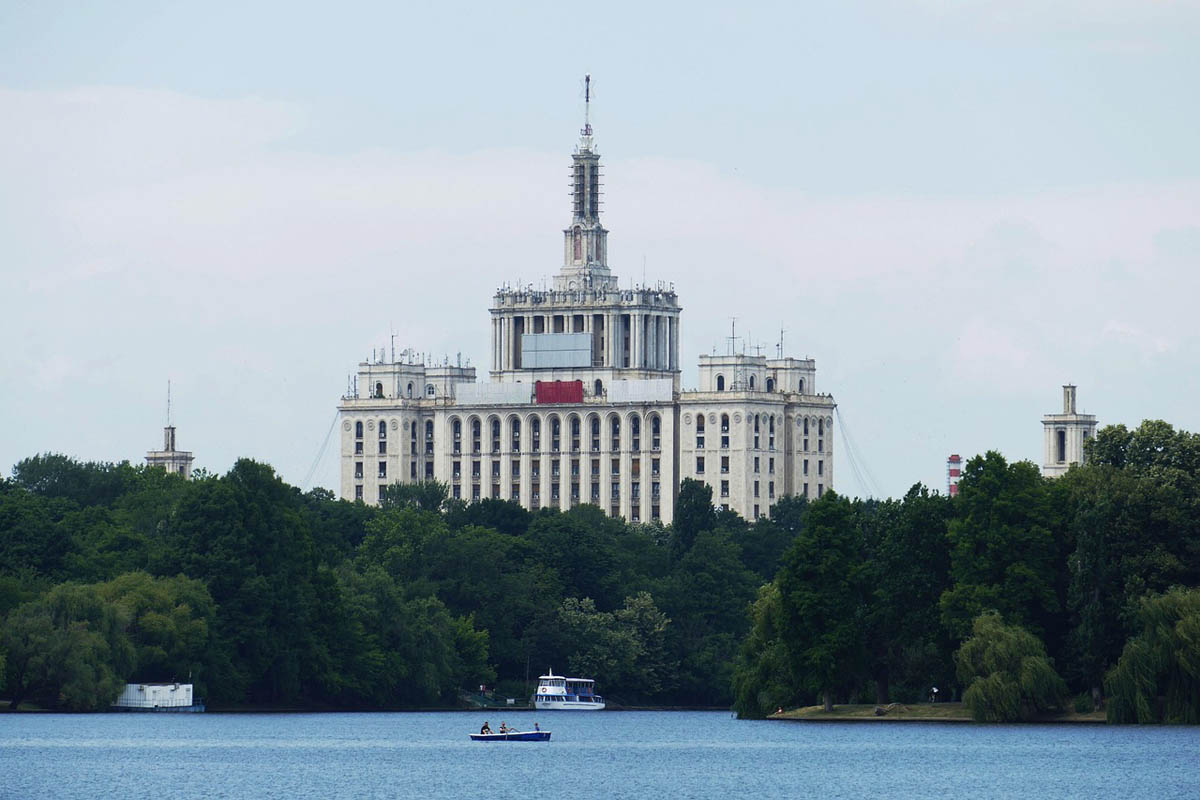
It combines contrasting architecture—a legacy of its history—with rapid modernization driven by technology and service sectors.
This gradual transformation has created an interesting environment for entrepreneurs, freelancers, and independent workers seeking new opportunities in Europe.
Unlike already saturated destinations, Bucharest still retains a form of room for development, which increasingly attracts international profiles.
A Still-Competitive Cost of Living
One of Bucharest's main assets remains its cost of living.
Compared to most European capitals, the city remains significantly more affordable, especially for housing, dining, and everyday services.
For a digital nomad or freelancer working remotely, this difference can have a direct impact on overall quality of life.
In some areas, it's still possible to live comfortably on a reasonable budget—something increasingly rare in major European cities.
This economic competitiveness largely explains the growing interest in the Romanian capital.
A Growing Tech Scene
Bucharest has also become an important tech center in Eastern Europe.
Many international companies have set up development centers here, attracted by skilled labor and lower costs than in Western Europe.
This dynamic has fostered the emergence of an ecosystem favorable to freelancers and independent workers in digital fields: web development, design, digital marketing, and more.
Coworking spaces are multiplying, as are professional events and international communities.
Romania's Micro-Enterprise Regime: A Major Asset
One of the most attractive elements for freelancers is the Romanian tax system, especially the micro-enterprise structure.
This framework allows many independents to benefit from simplified and relatively advantageous taxation, under certain revenue and structural conditions.
Under this regime, tax charges can be significantly lower than in other European countries, improving the overall profitability of independent activities.
This tax framework is often cited as a key argument for settling in Romania as a freelancer.
However, like any tax system, it requires good understanding of the rules and can change over time, especially with economic reforms.
Improving Quality of Life
Quality of life in Bucharest has improved significantly in recent years.
The city invests in infrastructure, transport, and public spaces, even if some disparities remain visible across neighborhoods.
Today, you'll find a developing cultural offering, a dynamic nightlife, and an increasingly varied gastronomic scene.
For expats, this evolution creates a more comfortable living environment than a decade ago.
An International Community Still Under Construction
Unlike hubs like Lisbon or Bangkok, Bucharest doesn't yet have as massive or structured a digital community.
This can be seen as a limit for some, but also as an advantage for others.
The city is still in development regarding international expatriation, allowing for a more authentic, less saturated experience.
Social interactions exist, especially in professional and tech circles, but they're still being built.
A Balanced Pace of Life
Bucharest offers a relatively balanced pace of life, far from the saturation of major Western capitals.
The city combines real economic activity with calm spaces, especially in the suburbs or certain residential neighborhoods.
For freelancers, this type of environment can be interesting, as it allows you to balance productivity and quality of life without excessive urban pressure.
Bucharest's Limits for Digital Nomads
Despite its many assets, Bucharest isn't a perfect destination.
Some infrastructure remains uneven by area, and the administrative system can seem complex for newcomers.
The language barrier can also be a challenge, even if English is increasingly used in professional environments.
Finally, the city doesn't yet have the same international reputation as other European hubs, which can affect networking opportunities.
A City in Transition
Bucharest is currently in a transition phase.
It's no longer an "emerging" city in the strict sense, but not yet a fully mature hub for international digital nomads.
This intermediate position is precisely what attracts some profiles: those seeking new opportunities before full market saturation.
Why Bucharest Attracts More and More Freelancers
Several factors explain this growing appeal:
- An accessible cost of living
- Advantageous taxation for independents
- An expanding tech scene
- A rapidly transforming city
- A strategic position in Europe
These combined factors create an environment conducive to mobile, independent profiles.
Conclusion: A Hub Under Construction Rather Than an Established Destination
Bucharest isn't yet a globally recognized hub on par with Lisbon, Berlin, or Bangkok.
However, the city is gradually establishing itself as a serious alternative for digital nomads and freelancers seeking a balance between cost of living, economic opportunities, and advantageous taxation.
The Romanian micro-enterprise regime, combined with a developing urban environment, reinforces this appeal.
Bucharest is therefore less a saturated destination than a space under construction, where opportunities remain accessible for those who arrive early in the dynamic.