 Français
 Deutsch
 Español
 Italiano
 Português
 Nederlands



Moving to Panama City: A Practical Guide for a Successful Expatriation
Moving to Panama City attracts a growing number of expats seeking a balance between economic opportunity, tropical climate, and modern quality of life. As Panama's capital, this city concentrates much of the country's financial and logistical activity, while offering a surprisingly diverse living environment.
Between skyscrapers, leafy residential neighborhoods, beaches accessible in under an hour, and constantly developing infrastructure, Panama City doesn't leave you indifferent. But like any expatriation, a successful move requires preparation, understanding of the local context, and anticipation of costs and procedures.
Understanding Panama City Before Moving
Panama City isn't a uniform city. It's made up of several very different zones, both in terms of atmosphere and standard of living.
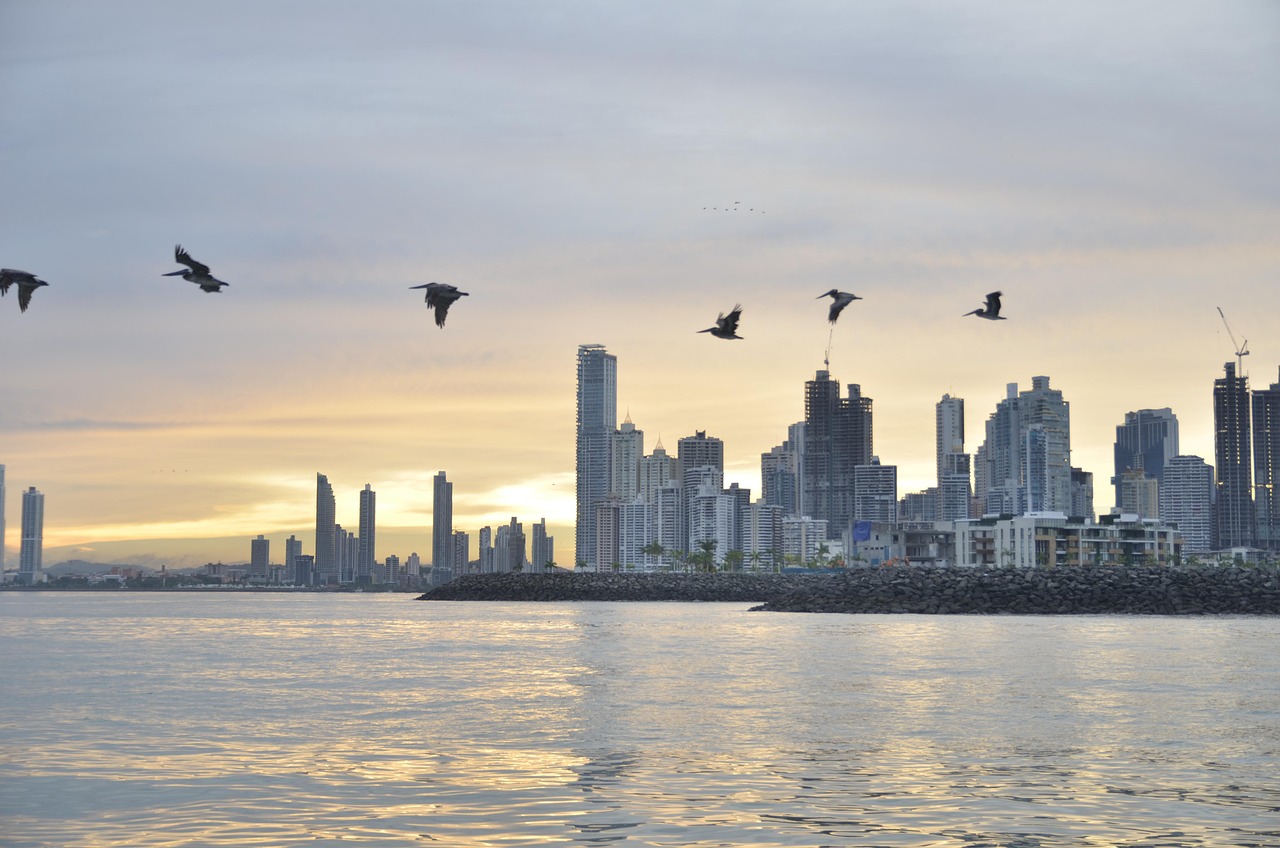
The urban center is modern, vertical, dominated by residential towers and office buildings. A few kilometers away, you'll find more residential, quieter neighborhoods, sometimes more local, where daily life is very different.
This contrast is important to understand, as it directly influences housing choices, budgets, and lifestyle.
The city also benefits from a strategic global position thanks to the Panama Canal, linking the Atlantic and Pacific Oceans. This infrastructure has transformed the country into an international hub for maritime trade and finance.
Why Choose to Live in Panama City?
Several factors explain the growing appeal of Panama City among expats.
A Stable, Dollarized Economy
The country uses the US dollar, which greatly simplifies financial management for expats. No complex currency conversion or significant exchange rate risk. This provides appreciated stability over time.
A Strategic Position
Panama City is a connection point between North America, South America, and the Caribbean. Many international companies have established their regional headquarters here.
A Year-Round Tropical Climate
The climate is warm, with little temperature variation. This appeals to those looking to leave temperate or cold climates.
A Modern, Urban Lifestyle
The city offers modern shopping malls, international restaurants, good private hospitals, and relatively developed infrastructure.
Cost of Living in Panama City
The cost of living is a central element of expatriation. Panama City is cheaper than many major Western cities, but more expensive than the rest of Central America.
Housing
Housing is often the biggest monthly expense.
- Studio in city center: $800–1,300 USD
- 2-bedroom apartment: $1,200–2,500 USD
- High-end residences: $2,500–5,000 USD
Prices vary widely by neighborhood and amenities.
Food
Food expenses remain relatively reasonable if you buy local.
- Monthly groceries: $250–500 USD
- Local restaurant meal: $5–12 USD
- International restaurant: $15–50 USD
Imported products can quickly increase your budget.
Transportation
Transportation is affordable:
- Metro: about $0.35 USD
- Bus: under $1 USD
- Ride-hailing apps (Uber): widely used and cheap
However, traffic jams can be significant during rush hour.
Neighborhoods to Live In
Choosing the right neighborhood is key to quality of life.
Punta Pacífica
A modern, luxurious neighborhood popular with expats. It offers new buildings, ocean views, and high security. The downside: prices are among the city's highest.
Costa del Este
A planned, clean residential area. Very popular with families and professionals working for multinationals. It has international schools, parks, and modern infrastructure.
El Cangrejo
A livelier, more bohemian neighborhood with a local and international atmosphere. Cafes, restaurants, nightlife, and accessibility make it a balanced choice.
San Francisco
A popular middle-range neighborhood. It combines modern buildings, shops, and easy access to other parts of the city.
Finding Housing
Housing in Panama City can be found through:
- Local real estate agencies
- Online listing sites
- Expat groups
It's strongly recommended to visit properties before signing a contract.
Key Points to Check
- Lease duration (often 12 months minimum)
- Deposit amount (1–2 months' rent)
- Whether utilities are included
- Building security
- Included amenities (pool, gym, etc.)
Modern residences often come with full services, improving daily comfort.
Working in Panama City
The job market is concentrated in a few key sectors:
- Banking and international finance
- Logistics and maritime commerce
- Tourism and hospitality
- Technology and digital services
- Language teaching
English proficiency is an advantage, but Spanish remains essential for professional integration.
Many expats also work remotely, as Panama is popular with digital nomads.
Visas and Administrative Setup
Settling legally in Panama requires an appropriate visa.
Friendly Nations Visa
This visa is for nationals of certain countries and makes it easier to obtain permanent residence.
Pensionado Visa
For retirees with a stable monthly income. It also offers various benefits and discounts.
Investor Visa
For those who want to invest in real estate or start a local business.
Procedures can be lengthy and often require legal assistance.
Healthcare and Medical System
The private healthcare system in Panama City is of good quality. Private hospitals are modern and well-equipped.
However, costs can be high without health insurance. It's strongly recommended to take out international or local insurance.
Pharmacies are numerous and easily accessible.
Education for Families
Panama City has several international schools offering different curricula:
- American system
- British system
- International Baccalaureate (IB)
Tuition fees can range from $5,000 to $15,000 USD per year depending on the school.
Safety and Quality of Life
Panama City is generally considered a relatively safe capital for the region.
However, some precautions are necessary:
- Avoid isolated areas at night
- Stay vigilant on public transport
- Don't display signs of wealth
Modern residential neighborhoods are generally well-secured.
Climate and Environment
The climate is tropical:
- Dry season: December to April
- Rainy season: May to November
- Temperatures: 25°C to 32°C
Humidity can be high, requiring time to adjust.
Social Life and Integration
The expat community is large and active. Many events facilitate meetings and integration.
However, learning Spanish is a real asset for integrating into local life and better understanding Panamanian culture.
Internet and Digital Nomads
Panama City has good digital infrastructure:
- High-speed internet
- Modern coworking spaces
- Good mobile coverage
This makes it an interesting destination for remote workers.
Pros and Cons
Advantages
- Dollarized economy
- Modern infrastructure
- Year-round warm climate
- Large expat community
Disadvantages
- High cost of living
- Frequent traffic jams
- High humidity
- Visible social inequalities
Tips for a Successful Move
- Visit the city before moving
- Plan a comfortable initial budget
- Learn basic Spanish
- Choose your neighborhood carefully
- Get appropriate health insurance
Good preparation helps avoid unpleasant surprises and eases adaptation.
Conclusion
Moving to Panama City can be an attractive opportunity for those seeking modern urban living in a tropical environment.
The city combines economic stability, developed infrastructure, and decent quality of life, but requires good preparation to fully benefit from it.