




The Cheapest French Cities for Retirement
As retirement approaches, the question of budget becomes central. After years of active life, many seek to reduce expenses while maintaining a good standard of living. In France, cost-of-living gaps between regions are significant, and city choice can directly impact daily quality of life.
Contrary to some clichés, living well in retirement doesn't necessarily mean living in a big southern city or tourist area. There are many French cities where the cost of living remains accessible, without sacrificing essential services like healthcare, transport, or shops.
The challenge isn't just finding the cheapest city, but the one offering the best balance of budget, comfort, and tranquility.
Understanding What Makes a City "Cheap"
Before naming cities, it's important to understand what really influences the cost of living in retirement. The biggest item is usually housing. Real estate or rental prices can vary threefold or more between regions.
Next come daily expenses: food, energy, transport, insurance. These costs are relatively uniform in France but can vary slightly by area.
Finally, less visible but essential factors must be considered: access to healthcare, proximity to public services, and the potential need for a car. A cheap but poorly connected city can quickly become expensive in the long run.
Central France: An Interesting Economic Balance
Many cities in central France now offer excellent value for money for retirees. These areas, often less exposed to the real estate pressure of major metropolises, allow access to spacious housing at reasonable prices.
Cities like Limoges or Châteauroux illustrate this trend. The real estate market remains accessible, allowing you to consider buying a house with a garden or comfortable apartment without an excessive budget.
Beyond prices, these cities also offer a calmer pace of life. For retirement, this tranquility is often seen as a major advantage, even if the climate may be less sunny than in the South.
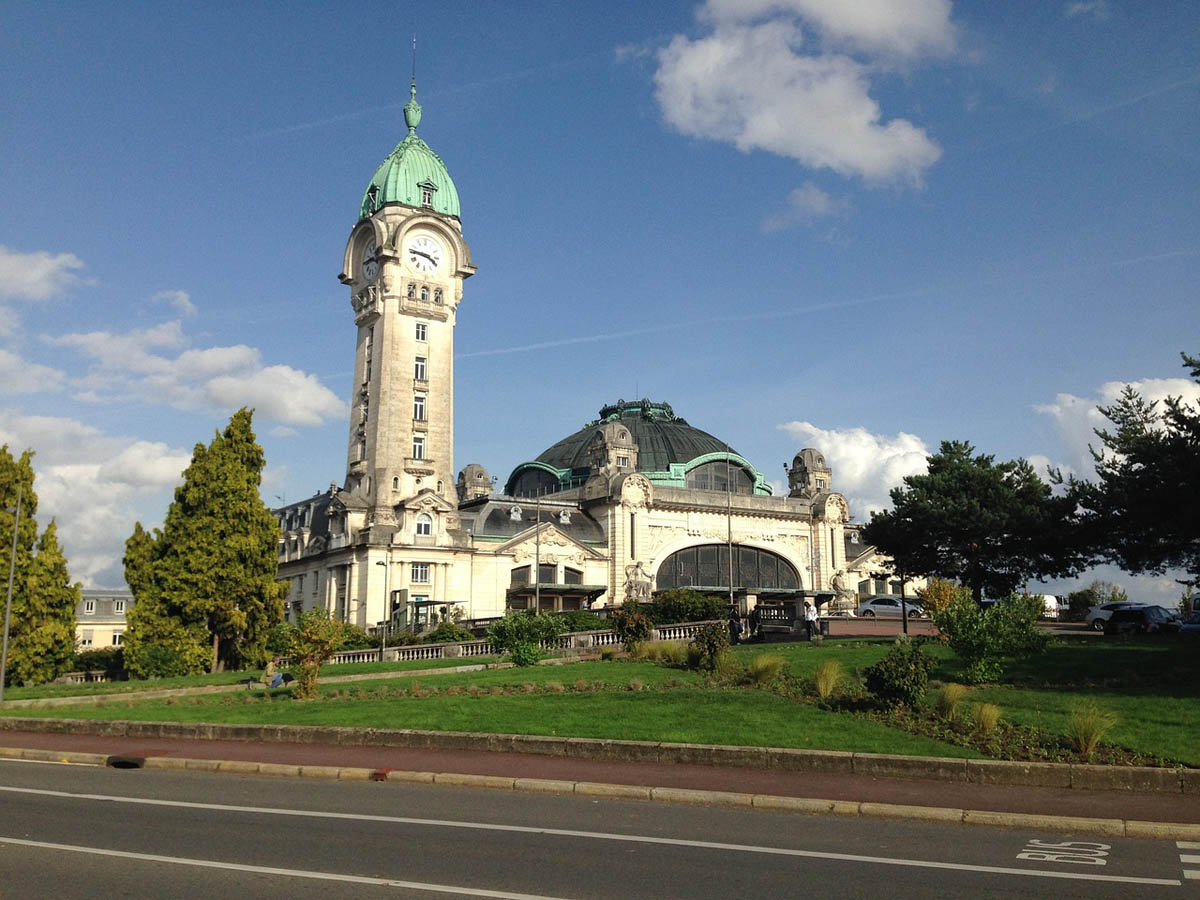
Limoges: An Often Underestimated Example
Limoges is regularly cited among France's most affordable cities. Real estate costs are significantly below the national average, attracting many retirees seeking financial stability.
The city also has decent infrastructure in terms of healthcare, shops, and public services. It isn't a classic dynamic metropolis, but offers a functional, serene living environment.
This type of city particularly suits profiles seeking above all tranquility and budget control, without tourist pressure or high urban density.
The North and East: Real Economic Opportunities
Some cities in northern and eastern France also have very attractive price levels. Cities like Saint-Étienne, Metz, or Mulhouse offer some of the country's lowest real estate costs.
Saint-Étienne, for example, is often cited for its accessible housing market. It's possible to find accommodation at very competitive prices, even in relatively central areas.
These regions can sometimes suffer from a less attractive image, especially regarding climate or economic dynamism. Yet for retirement, they can represent a very rational financial option.
Saint-Étienne: The Emblematic Case of Low Real Estate Costs
Saint-Étienne is often considered one of France's cheapest cities. The price per square meter is significantly lower than in major metropolises.
The city also offers decent cultural life, accessible healthcare services, and proximity to natural areas. It remains well-connected to large cities like Lyon, allowing access to broader infrastructure if needed.
For a retiree, this can represent an interesting compromise between cost of living and accessibility.
Medium-Sized Cities: Often the Ideal Compromise
Beyond the most economical cities, many medium-sized cities offer an interesting balance between reasonable prices and quality of life. These cities often attract the most retirees when they compare different criteria.
Cities like Le Mans, Bourges, or Angers (depending on the area) can offer a good compromise. Prices are generally more affordable than in major metropolises, while maintaining certain quality infrastructure.
These cities often allow you to live comfortably on a controlled budget, while maintaining decent access to essential services.
Le Mans: A Often-Forgotten Balance
Le Mans is a city that illustrates this compromise well. Located near Paris by train, it remains relatively accessible while offering more moderate real estate prices.
The city has complete infrastructure, especially in healthcare—an essential criterion for retirees. It also offers decent cultural life and good transport links.
This type of city is often underestimated but can represent a very coherent option for a comfortable retirement on a controlled budget.
Rural Areas and Small Towns
Outside medium-sized cities, some rural areas or small towns offer even lower price levels. It's possible to find houses at very accessible prices, sometimes well below urban areas.
However, this choice requires significant compromises. Access to healthcare, shops, and services may be more limited. Car dependency is often greater.
This lifestyle can suit those seeking above all calm, nature, and a very low budget, but it requires a certain autonomy.
The Healthcare Factor: An Essential Criterion
When choosing a city for retirement, cost of living shouldn't be the only criterion. Access to healthcare is a fundamental element.
Even in the cheapest cities, it's important to check the presence of hospitals, general practitioners, and specialists. A cheap but poorly equipped city can quickly become problematic with age.
That's why medium-sized cities often represent a good compromise: they help reduce costs without totally sacrificing healthcare access.
Climate and Perceived Quality of Life
Climate also plays an important role in city choice. France's cheapest regions are often in areas with more continental or oceanic climates, with less sunshine than the South.
This factor can influence overall perception of quality of life. However, many retirees adapt very well to these conditions, especially when other aspects of daily life are satisfactory.
It's therefore important not to overemphasize climate at the expense of budget and service quality.
Finding the Right Balance for Your Retirement
Choosing a cheap city for retirement doesn't mean compromising on everything. It's about finding a balance between cost of living, daily comfort, and personal needs.
Some prioritize absolute calm and minimal budget, while others seek a minimum of activity and services, even at a slightly higher cost.
The key is to clearly define your priorities before choosing a destination.
A Long-Term Decision
Retirement is a long life stage where location choices have a lasting impact. It's important to take time to compare options, visit cities, and concretely project yourself into daily life.
France's cheapest cities offer real opportunities to live comfortably on a controlled budget. But they must be chosen based on all life criteria, not just real estate prices.
Ultimately, the best city for retirement is one that allows you to live peacefully, without excessive financial constraint, while maintaining a pleasant, adapted daily life that meets your needs.