 Français
 Deutsch
 Español
 Italiano
 Português
 Nederlands




Florence (Italy)
City Scores
| Criterion | Score |
|---|---|
| 🛡️ Safety | 8.0/10 |
| 💰 Cost of Living | 4.0/10 |
| ☀️ Climate | 7.5/10 |
| 🌿 Environment | 7.0/10 |
| 🎭 Culture | 10.0/10 |
| 🚌 Transportation | 7.5/10 |
| 🏥 Healthcare | 8.5/10 |
| 📚 Education | 8.0/10 |
| 🏪 Commerce & Services | 8.5/10 |
| 💼 Economic Opportunities | 7.0/10 |
About the City
Florence is widely considered the cradle of the Renaissance, offering an unparalleled concentration of artistic masterpieces and architectural wonders. The city breathes history through its well-preserved medieval and Renaissance streets, inviting visitors to step back in time while enjoying a vibrant modern lifestyle. Nestled in the heart of Tuscany, it serves as a stunning gateway to rolling hills, world-renowned vineyards, and iconic cultural traditions.
Top Attractions
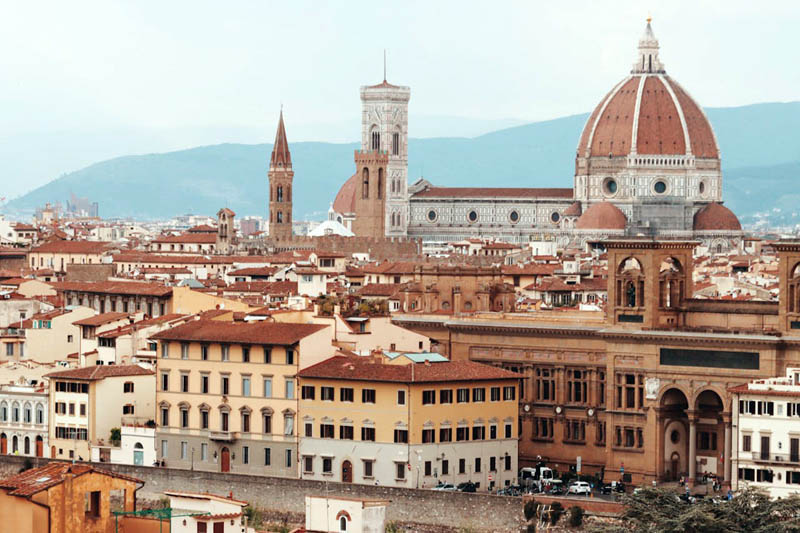
The iconic Duomo with Brunelleschi's dome dominates the skyline, serving as the ultimate symbol of the city's architectural ingenuity. The Uffizi Gallery houses some of the most important works of art in human history, attracting millions of enthusiasts every single year. A stroll across the historic Ponte Vecchio provides a romantic atmosphere unlike any other, especially during the golden hour as the sun sets over the Arno river.
Quality of Life Criteria
Florence is very safe for tourists and residents alike, with violent crime being extremely rare in the city center. Most issues are limited to pickpocketing in high-traffic tourist areas, which can be easily avoided with basic precautions. Local law enforcement maintains a constant and visible presence, particularly around historical landmarks and plazas. Residents feel comfortable walking at night in well-lit districts, contributing to a sense of overall community security. The city remains a tranquil and welcoming environment for families and expatriates throughout the year.
Living in Florence requires a significant budget, as the demand for housing in the historic center pushes rental costs to levels comparable to other major European capitals. Everyday expenses such as groceries and dining are priced at a premium because the city is a major global tourist destination. While finding affordable goods is possible in outer residential neighborhoods, the baseline cost of living remains high for the average resident. Residents often spend a large portion of their income on basic needs, making it one of the more expensive cities in Italy to maintain a middle-class lifestyle. Despite these financial demands, the high quality of life and access to culture often mitigate the burden for many who choose to reside here.
Florence enjoys a classic Mediterranean climate, characterized by hot, dry summers and mild, occasionally rainy winters. July and August can become quite intense with high temperatures, but spring and autumn offer some of the most pleasant weather conditions in Europe. Rainfall is generally moderate, mostly occurring during the winter months, ensuring that the surrounding Tuscan landscape remains beautiful and verdant. Residents appreciate the abundant sunshine that graces the city for the majority of the year, perfect for outdoor terrace culture. Overall, the climate is highly conducive to a vibrant lifestyle, supporting both active city living and weekend trips to the nearby countryside.
The city preserves significant green pockets within its dense historic fabric, such as the Boboli Gardens and the various riverside paths along the Arno. Efforts have been made to improve air quality through the limitation of heavy traffic in the most central and fragile medieval zones. While the high urban density presents challenges for expansive parks, the proximity to the rolling hills of Tuscany provides an immediate escape to nature. Sustainable urban planning initiatives are slowly integrating more greenery and pedestrian-friendly zones to benefit the residents. Environmentally, the city is a blend of preserved heritage and modern adaptation, working toward a cleaner urban atmosphere.
Florence is universally recognized as the absolute heart of the Renaissance, offering a concentration of art and history that is practically unmatched globally. The Uffizi Gallery, the Accademia, and the countless basilicas represent an endless source of cultural enrichment for those who appreciate fine arts. Every street corner tells a story from centuries past, and the city continues to host world-class exhibitions and traditional festivals. The artistic spirit is not just in museums but embedded in the local culture, design, and culinary traditions that thrive today. It is truly an unmatched environment for any person who values deep historical significance and human creative output.
The public transport network, while consisting mainly of buses and a growing tram system, is quite effective at connecting the outskirts to the central historic zone. The city center itself is incredibly walkable, with the most important monuments and services located within a short distance of each other. Traffic can be quite heavy during peak tourist seasons and commuting hours, which often makes cycling a preferred alternative for many locals. Recent investments have improved the connectivity between the central train station and residential neighborhoods, enhancing the overall commuting experience. While the historic layout presents challenges, the transportation infrastructure is highly functional for daily living and tourism.
Italy offers a robust healthcare system, and Florence is home to highly regarded university hospitals that provide advanced medical care to the public. Access to general practitioners and clinics is widespread, ensuring that all residents can receive timely and professional medical attention. The standards of care are high, with a strong focus on both preventative health and specialized treatment for complex medical conditions. Public hospitals are generally well-equipped and supported by a dense network of pharmacies that serve the community effectively. Overall, the healthcare system provides a secure and high-quality safety net for everyone living in the city.
The city is a significant center for higher education, housing prestigious institutions and international schools that attract students from all over the world. The University of Florence provides a wide array of academic disciplines, fostering an intellectual atmosphere that permeates the student-friendly districts. Early education and primary schools are well-supported, with a strong emphasis on a curriculum that values both tradition and modern learning. Families and students alike can find diverse educational opportunities that range from intensive language courses to technical and professional studies. The presence of numerous libraries and study centers further solidifies its reputation as a city that deeply respects learning.
Commerce in Florence is a seamless blend of historical luxury boutiques, traditional leather workshops, and modern essential services. The city is very well-served by supermarkets, local markets, and various service outlets that satisfy all daily needs within short walking distances. Digital services are constantly improving, allowing residents to manage their daily life and administrative tasks with increasing ease and efficiency. Access to banking, post offices, and grocery stores is excellent throughout the urban area, even in the most historic neighborhoods. The quality and variety of services ensure that convenience is a hallmark of living in this beautiful Italian metropolis.
The economic landscape of Florence is strongly anchored in tourism, high-end fashion, and craftsmanship, which offer unique career opportunities in creative fields. While the job market can be competitive, those with expertise in design, luxury retail, or specialized services will find a dynamic and evolving professional environment. Entrepreneurship is highly encouraged, particularly for individuals who can integrate traditional techniques with modern business strategies to cater to international markets. The city is attracting more global companies and tech-focused hubs, diversifying its economic base beyond the traditional sectors. It offers a stable growth trajectory for ambitious professionals who are looking to build a career in a globally connected city.
City Comparison
| Criterion | Florence | Nice | Geneva |
|---|---|---|---|
| 💰 Cost of Living | 4/10 | 4.5/10 | 2.5/10 |
| 🏠 Real estate | 1 300€ | 1 200€ | 3 200€ |
| 🚨 Safety | 8/10 | 7.8/10 | 9/10 |
| 🌡️ Climate | 15 days of sunshine | 330 days of sunshine | 365 days of sunshine |
| 💼 Economic Opportunities | 7/10 | 7.2/10 | 9/10 |
| 🚗 Transportation | 7.5/10 | 8.2/10 | 9.5/10 |
| Quality of life | 8.4/10 | 8.2/10 | 8.4/10 |