 Français
 Deutsch
 Español
 Italiano
 Português
 Nederlands





Harlem (United States)
City Scores
| Criterion | Score |
|---|---|
| 🛡️ Safety | 7.2/10 |
| 💰 Cost of Living | 4.5/10 |
| ☀️ Climate | 7.5/10 |
| 🌿 Environment | 7.8/10 |
| 🎭 Culture | 9.3/10 |
| 🚌 Transportation | 9.1/10 |
| 🏥 Healthcare | 8.7/10 |
| 📚 Education | 8.0/10 |
| 🏪 Commerce & Services | 9.0/10 |
| 💼 Economic Opportunities | 8.5/10 |
About the City
Nestled in the northern section of Manhattan, Harlem stands as a historic cultural epicenter renowned worldwide for its rich African American heritage and artistic renaissance. The neighborhood effortlessly blends architectural brownstone elegance with a dynamic, contemporary urban energy that attracts creators, families, and travelers alike. Walking through its vibrant streets reveals a community deeply rooted in resilience, musical innovation, and an ever-evolving culinary landscape.
Top Attractions
Visitors can explore the legendary Apollo Theater where countless music icons launched their illustrious careers and shaped American entertainment history. The Studio Museum in Harlem offers a captivating deep dive into contemporary works by artists of African descent, celebrating diverse perspectives and creative brilliance. Additionally, strolling along Strivers' Row allows admirers to marvel at some of the most stunning and exceptionally preserved late 19th-century architecture in New York City.
Quality of Life Criteria
Safety in Harlem has improved significantly over the past decade as community policing and local initiatives have strengthened neighborhoods. While minor property offenses still occur in certain zones during late hours, main thoroughfares remain secure and well-trafficked. Residents and visitors generally feel comfortable walking around during the daytime thanks to active local patrols. Neighborhood watch programs and dedicated community centers contribute positively to overall public safety perception. Like any dense urban district within a major metropolis, maintaining standard personal awareness after dark is recommended.
Living expenses in Harlem reflect the broader upward economic pressures present throughout Manhattan real estate markets. Rent prices for apartments within the center can be quite steep, though slightly more moderate options exist further north. Daily expenditures such as grocery shopping and dining out align closely with New York City averages. Public transit costs remain fixed via monthly metro passes, helping commuters manage daily travel budgets effectively. Overall, securing housing requires careful financial planning due to high demand and competitive housing markets.
Harlem experiences a quintessential humid continental climate with distinct seasonal transitions throughout the calendar year. Summers are warm and occasionally humid, while winters bring chilly temperatures and periodic snowfall. Spring and autumn offer exceptionally pleasant weather conditions ideal for exploring outdoor parks and cultural walks. Rainfall is well distributed across all twelve months without excessive monsoon extremes. Sunlight hours are abundant during the long summer days, providing a lively atmosphere across the neighborhood.
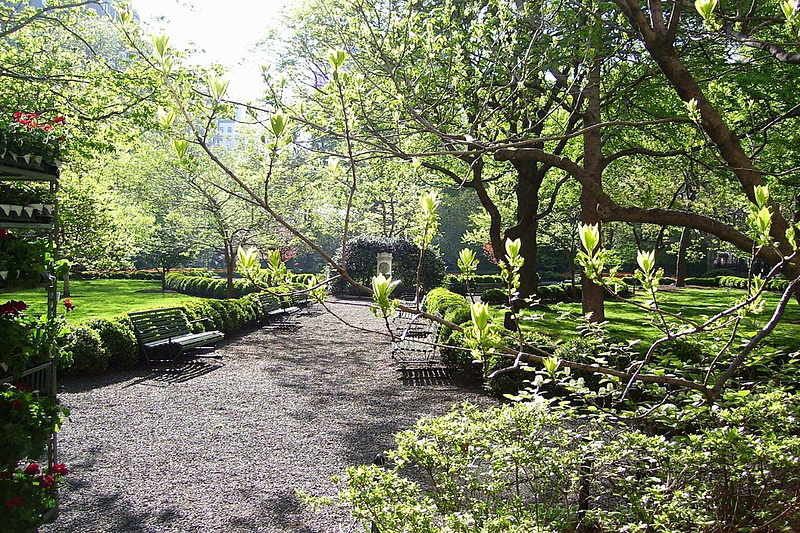
The neighborhood benefits immensely from its close proximity to major green spaces like Morningside Park and Riverside Park along the Hudson River. Tree-lined streets and local community gardens enhance the urban landscape and provide residents with natural breathing room. Air quality remains well within acceptable urban standards due to rigorous municipal monitoring and regulations. Noise levels can elevate near major transit corridors, but residential blocks maintain relative tranquility. Ongoing local sustainability efforts continue to expand green infrastructure throughout the district.
Harlem is internationally celebrated as a powerhouse of artistic expression, musical innovation, and historical cultural legacy. The area boasts legendary performance venues, historic jazz clubs, and inspiring museums that honor its vibrant heritage. Cultural events, street festivals, and community art galleries occur frequently throughout the year. Diversity thrives in every corner, creating an inclusive environment where various traditions blend harmoniously. This rich cultural tapestry offers an unmatched experience for history enthusiasts and modern creators alike.
Public transportation accessibility in Harlem is outstanding, anchored by multiple major subway lines connecting directly to downtown Manhattan. Numerous bus routes crisscross the neighborhood, ensuring seamless connectivity for daily commuters and travelers. Pedestrian infrastructure is exceptionally well developed, making the entire district highly walkable for everyday errands. Bike lanes continue to expand, accommodating the growing community of cycling enthusiasts. Traffic congestion can be heavy during peak rush hours, but excellent transit alternatives minimize car dependency.
Healthcare access is robust, featuring renowned medical institutions and local clinics providing comprehensive care services. Major hospitals located nearby ensure rapid emergency response times and specialized treatment availability. Medical professionals are highly trained, contributing to strong overall community health outcomes and wellness standards. Health insurance coverage and private care options operate standard to major American metropolitan centers. Preventive care initiatives and local wellness programs are widely accessible to residents of all ages.
The educational landscape features a mix of public schools, charter institutions, and prestigious nearby universities like Columbia University and City College. Higher education opportunities are exceptionally strong, offering world-class academic resources and research facilities. Library networks and community learning centers provide valuable out-of-school support for students. Early childhood education options have expanded, catering to young families moving into the neighborhood. While public school quality varies by zone, overall academic engagement and options remain solid.
Commerce and services in Harlem are thriving, with bustling commercial avenues featuring diverse retail shops, supermarkets, and essential businesses. Dining options range from historic soul food establishments to trendy modern bistros and international cafes. Banking branches, post offices, and digital service hubs are conveniently distributed throughout the neighborhood. Residents enjoy exceptional convenience with daily necessities located just a short walk from their front doors. The robust commercial ecosystem supports a vibrant local economy and active street life.
Economic opportunities are plentiful, driven by proximity to major commercial hubs in Manhattan and a growing local entrepreneurial scene. Coworking spaces, local tech startups, and independent businesses find a supportive environment for growth. Career development resources and professional networking events are readily available across the borough. Employment rates remain competitive, supported by robust service, tourism, and healthcare sectors. The dynamic economic climate attracts ambitious professionals and innovators seeking to establish themselves.

City Comparison
| Criterion | Harlem | Morningside Heights | Mott Haven |
|---|---|---|---|
| 💰 Cost of Living | 4.5/10 | 5.2/10 | 5.5/10 |
| 🏠 Real estate | 2 750€ | 3 200€ | 2 400€ |
| 🚨 Safety | 7.2/10 | 8.2/10 | 6.8/10 |
| 🌡️ Climate | 15 days of sunshine | 365 days of sunshine | 28 days of sunshine |
| 💼 Economic Opportunities | 8.5/10 | 8.8/10 | 8.1/10 |
| 🚗 Transportation | 9.1/10 | 9.3/10 | 8/10 |
| Quality of life | 7.4/10 | 7.8/10 | 7.1/10 |