 Français
 Deutsch
 Español
 Italiano
 Português
 Nederlands



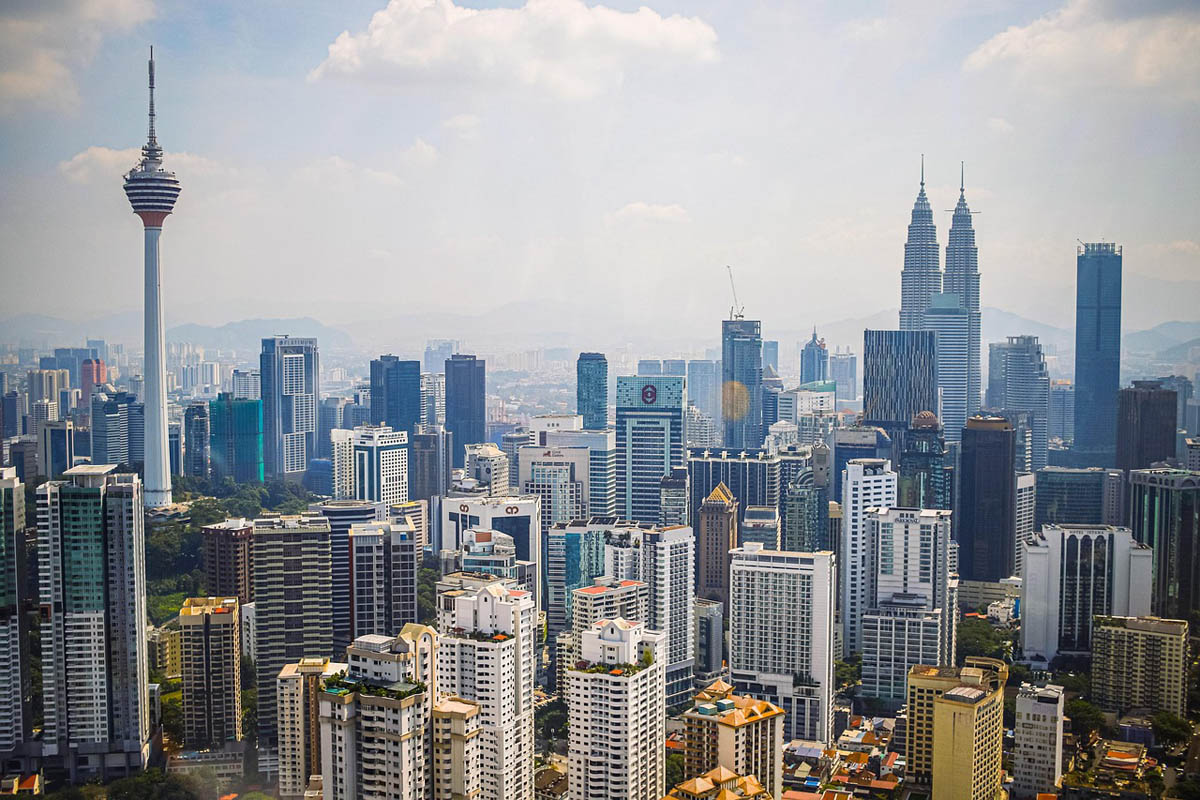
Venice (United States)
City Scores
| Criterion | Score |
|---|---|
| 🛡️ Safety | 7.5/10 |
| 💰 Cost of Living | 3.0/10 |
| ☀️ Climate | 7.0/10 |
| 🌿 Environment | 6.5/10 |
| 🎭 Culture | 9.5/10 |
| 🚌 Transportation | 8.0/10 |
| 🏥 Healthcare | 8.5/10 |
| 📚 Education | 8.0/10 |
| 🏪 Commerce & Services | 8.5/10 |
| 💼 Economic Opportunities | 7.5/10 |
About the City
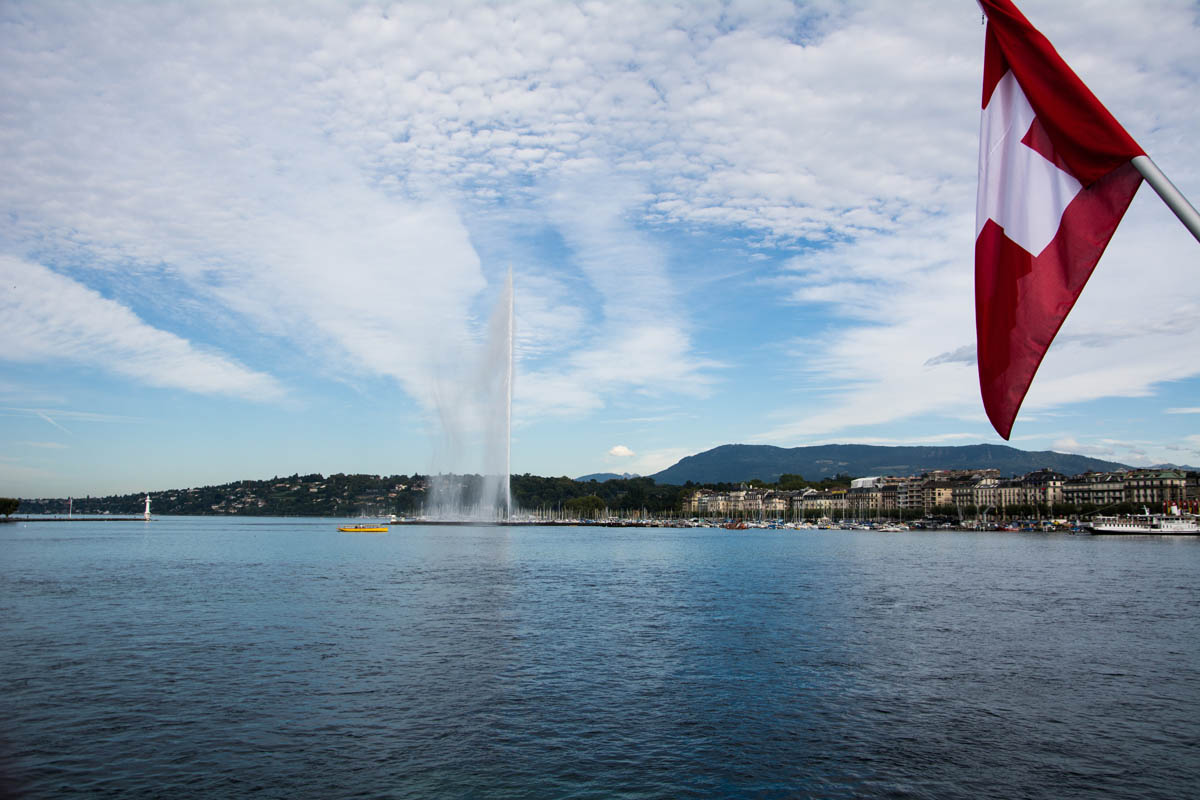
Venice is a vibrant coastal neighborhood known for its eclectic boardwalk, bohemian spirit, and scenic canals. The district seamlessly blends a relaxed beach culture with a thriving hub for technology startups and artistic expression. Visitors and residents alike are drawn to its unique energetic atmosphere and iconic Southern California shoreline.
Top Attractions
The world-famous Venice Beach Boardwalk offers a kaleidoscope of street performers, local vendors, and fitness enthusiasts working out at Muscle Beach. Just a short walk away, the historic Venice Canals provide a tranquil pedestrian escape lined with picturesque arched bridges and modern architectural homes. Additionally, the vibrant mural-filled walls of Abbot Kinney Boulevard showcase cutting-edge fashion and design.
Quality of Life Criteria
Venice is generally a very safe destination for travelers and residents alike, with low rates of violent crime. Pickpocketing can occur in extremely crowded tourist zones during peak seasons, so basic personal awareness is recommended. Emergency services and law enforcement maintain a strong, reliable presence throughout the historic center and islands. Walking alone at night along the canals is typically secure and peaceful. The city environment feels safe due to the absence of heavy vehicular traffic.
Living or visiting Venice involves a notably high cost of living, driven heavily by tourism and geographic constraints. Housing prices and rental rates within the historic center are exceptionally steep compared to mainland alternatives. Groceries, dining out, and daily necessities often carry a significant tourist markup across most neighborhoods. Importing goods via boats to the island city adds logistical expenses that impact overall consumer prices. Residents must budget carefully to manage high everyday operational expenses.
Venice experiences a humid subtropical climate featuring hot summers and cool, damp winters influenced by the surrounding lagoon. Spring and autumn offer pleasant temperatures ideal for exploring the city on foot, though occasional rain is common. Winter months can bring chilly winds and the periodic phenomenon of high tides known as acqua alta. Summer days can get quite humid, but sea breezes generally provide refreshing relief during the afternoons.
The urban environment of Venice is entirely unique, characterized by pedestrian-only pathways and a complete absence of cars. Water quality in the canals has seen ongoing management, and pedestrian zones help maintain a clean air atmosphere. Waste management relies on specialized boat collection services to navigate the intricate network of waterways efficiently. Balancing heavy tourism pressure with ecological preservation remains a constant challenge for local authorities. Green spaces exist in the form of quiet public gardens scattered across the outer districts.
Venice boasts an extraordinary cultural heritage deeply rooted in centuries of art, architecture, maritime history, and classical music. World-renowned events like the Venice Biennale and the historic Carnival draw artists and enthusiasts from across the globe. Palaces, museums, and churches house priceless masterpieces by legendary painters like Titian, Tintoretto, and Veronese. The distinctive urban fabric and traditions of the lagoon create an unmatched living cultural landscape.
Transportation in Venice is entirely pedestrian or water-based, offering a fascinating and efficient public vaporetto network. Water buses connect the main islands and the mainland terminals reliably throughout the day and night. While there are no wheeled vehicles inside the historic center, walking bridges require physical stamina when carrying luggage. Tronchetto and Piazzale Roma serve as the primary hubs where cars and buses must park before entering. Navigating the water routes is intuitive once visitors become familiar with the primary line schedules.
Venice provides high standards of healthcare through local clinics and the main city hospital located in the Castello district. Medical professionals are well-trained, and emergency water ambulance services operate swiftly across the lagoon. Pharmacies are widely distributed throughout all neighborhoods and offer professional basic health consultations. Access to specialized medical treatment is readily available within the regional healthcare framework. Residents and tourists can rely on prompt and effective medical assistance when needed.
The city offers solid educational infrastructure, featuring local schools and the prestigious Ca Foscari University of Venice. Academic programs specializing in humanities, economics, and languages attract a diverse international student population. Libraries and research centers provide rich resources for scholars studying art history and environmental sciences. Educational facilities are well-integrated into the historic urban fabric, supporting continuous learning. Local community schools ensure comprehensive foundational education for families residing on the islands.
Commerce in Venice ranges from artisan workshops crafting traditional glass and masks to high-end boutiques and grocery markets. Residents find essential services distributed across residential quarters, though specialized goods sometimes require mainland trips. Daily life relies on local hardware stores, bakeries, and cooperative supermarkets accessible on foot. Postal services, banking, and professional consulting firms operate efficiently within historic buildings. The commercial landscape successfully balances local residential needs with heavy tourist demands.
Economic opportunities in Venice are heavily centered around tourism, hospitality, cultural heritage management, and higher education. The dynamic service sector provides numerous jobs in hotels, restaurants, guided tours, and artistic enterprises. Tech startups and maritime research initiatives also find a niche within specialized regional incubators. Professional networking is robust, particularly for those involved in international arts and academia. While seasonal fluctuations exist, the local economy remains resilient and attractive to skilled professionals.

City Comparison
| Criterion | Venice | Culver City | Pacific Palisades |
|---|---|---|---|
| 💰 Cost of Living | 3/10 | 5.2/10 | 2.5/10 |
| 🏠 Real estate | 2 600€ | 3 200€ | 5 200€ |
| 🚨 Safety | 7.5/10 | 8/10 | 9.4/10 |
| 🌡️ Climate | 290 days of sunshine | 285 days of sunshine | 3 days of sunshine |
| 💼 Economic Opportunities | 7.5/10 | 9.1/10 | 8.5/10 |
| 🚗 Transportation | 8/10 | 7.5/10 | 6.5/10 |
| Quality of life | 7.5/10 | 8.2/10 | 8.8/10 |