 Français
 Deutsch
 Español
 Italiano
 Português
 Nederlands




Buenos Aires (Argentina)
City Scores
| Criterion | Score |
|---|---|
| 🛡️ Safety | 6.5/10 |
| 💰 Cost of Living | 8.0/10 |
| ☀️ Climate | 7.5/10 |
| 🌿 Environment | 6.0/10 |
| 🎭 Culture | 9.5/10 |
| 🚌 Transportation | 8.0/10 |
| 🏥 Healthcare | 7.5/10 |
| 📚 Education | 8.0/10 |
| 🏪 Commerce & Services | 9.0/10 |
| 💼 Economic Opportunities | 7.0/10 |
About the City
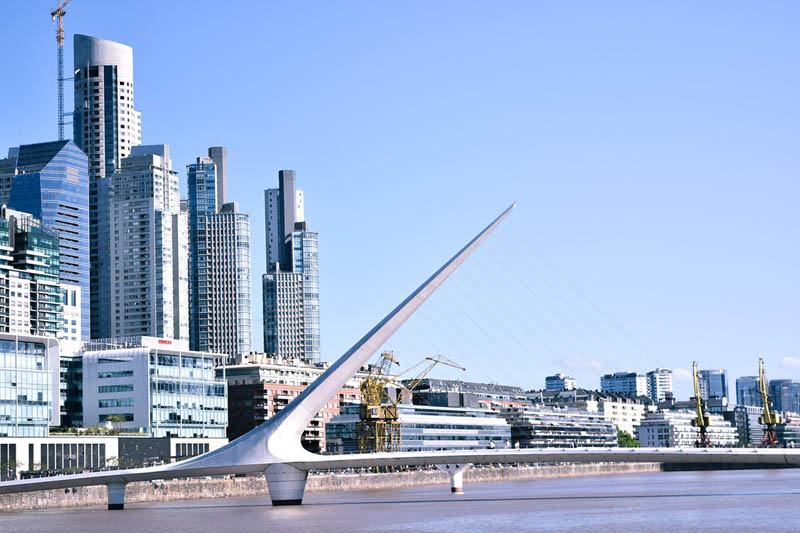
Buenos Aires, often called the Paris of South America, is a vibrant metropolis that seamlessly blends elegant European architecture with a passionate Latin spirit. The city is famous for its wide boulevards, historic coffee houses, and the melancholy yet beautiful rhythms of tango echoing through its streets. Its unique character is shaped by a sophisticated cultural scene and a warm, welcoming population that truly brings the city to life.
Top Attractions
The Teatro Colón stands as one of the world's most prestigious opera houses, renowned for its incredible acoustics and opulent architectural detail. Recoleta Cemetery is a must-see site, acting as a labyrinthine city of the dead where elaborate mausoleums house the remains of Argentina's most famous historical figures. The Obelisco de Buenos Aires serves as the iconic symbol of the city, standing proudly at the heart of the widest avenue in the world.
Quality of Life Criteria
Buenos Aires is generally safe in well-trafficked areas, though visitors should remain alert to petty theft in tourist hotspots. Neighborhoods like Recoleta and Palermo have a stronger police presence compared to others. It is advisable to avoid walking in certain isolated areas late at night to ensure personal safety. The locals are generally helpful, and most public spaces are monitored effectively by city surveillance. Overall, common-sense precautions are sufficient to enjoy the vibrant city life safely.
The cost of living in Buenos Aires is highly attractive for foreigners earning in strong foreign currencies due to exchange rate dynamics. Rent in prime neighborhoods like Palermo or Recoleta remains relatively affordable compared to major Western European or North American cities. Daily expenses such as dining out, cultural activities, and local groceries are very competitively priced for those on a global budget. While local salaries might seem low in dollar terms, the purchasing power for residents with stable income is quite good. The city offers a high quality of life at a fraction of the cost found in other world capitals.
Buenos Aires enjoys a humid subtropical climate that allows for mild winters and warm, energetic summers. While summers can get quite hot and humid, the city comes alive with outdoor life and events throughout the season. Spring and autumn are arguably the best times to visit, providing pleasant temperatures for long walks along the boulevards. Rainfall is distributed throughout the year, meaning the city remains lush and green despite occasional showers. Overall, the climate is very manageable and conducive to a vibrant outdoor culture.
The city has made significant strides in increasing its green spaces, with the Ecological Reserve serving as a massive natural retreat along the river. Air quality is generally acceptable, though traffic density in the city center can lead to higher levels of smog during peak hours. Efforts to pedestrianize historic streets have helped in reducing noise and improving the urban living environment. While the city remains quite dense and concrete-heavy, the parks provide necessary relief for residents. Ongoing city projects continue to focus on sustainability and environmental management.
Cultural life in Buenos Aires is absolutely unparalleled, with an explosion of arts, literature, and music found on every corner. The city is famous for its historic bookstores, independent theaters, and of course, the ever-present tradition of tango. Residents are deeply engaged with fine arts, with countless museums and galleries hosting world-class exhibitions throughout the year. The nightlife scene is energetic and diverse, reflecting the city’s ability to constantly reinvent itself through art. It is truly a hub where history and modern creative expression collide beautifully.
The public transport network in Buenos Aires is extensive and remarkably affordable, featuring an iconic subway system, trains, and a massive bus network. Buses, known as colectivos, run 24 hours a day, providing connectivity to even the most remote parts of the metropolitan area. While traffic congestion is a common challenge during business hours, the city has been expanding its network of dedicated bike lanes. Cycling has become a popular and efficient way to navigate the bustling city streets. Overall, the system is reliable and serves as the backbone of the city’s daily mobility.
Healthcare in Buenos Aires is well-regarded, with a mix of high-quality public hospitals and excellent private clinics that attract many medical tourists. Residents have access to a wide range of specialized medical services, often at a lower cost than in other developed nations. While waiting times can fluctuate in the public sector, the overall standard of medical expertise is very high. Many doctors are internationally trained and highly professional in their approach to patient care. It is an accessible system that provides comfort and security to both local residents and expatriates.
Buenos Aires is home to a robust education system, boasting several prestigious universities, including the world-renowned University of Buenos Aires. Public education is free, and there is a high concentration of schools catering to diverse needs and academic levels. The city also hosts numerous international schools that provide world-class education for the children of expatriates. Literacy rates are high, and there is a strong cultural emphasis on intellectual development and lifelong learning. This foundation supports a well-educated workforce and a community that deeply values academic achievement.
Commerce and services are exceptionally well-developed, offering everything from large modern malls to artisanal local markets. The city is famous for its vibrant shopping streets where local fashion, crafts, and leather goods can be found in abundance. Services like banking, telecommunications, and digital solutions are widely available and increasingly digitized for convenience. Restaurants, cafes, and bakeries are ubiquitous, providing a high level of accessibility and quality for daily needs. The commercial sector is clearly a strong point, reflecting the city’s entrepreneurial spirit and urban sophistication.
Buenos Aires serves as the primary economic hub of Argentina, offering the widest range of employment opportunities in the country. The professional services sector, technology, and the creative industries are growing areas that attract talent from across Latin America. While the economic landscape can be volatile, the city remains the center for business, finance, and corporate headquarters. Entrepreneurial ventures are common, and the city provides a large market for startups to test and launch their products. It is a place of high potential for those willing to navigate the unique economic challenges and opportunities.
City Comparison
| Criterion | Buenos Aires | Lima | Bogota |
|---|---|---|---|
| 💰 Cost of Living | 8/10 | 7/10 | 8.5/10 |
| 🏠 Real estate | 450€ | 650€ | 450€ |
| 🚨 Safety | 6.5/10 | 6/10 | 6.5/10 |
| 🌡️ Climate | 21 days of sunshine | 300 days of sunshine | 200 days of sunshine |
| 💼 Economic Opportunities | 7/10 | 7.5/10 | 7.5/10 |
| 🚗 Transportation | 8/10 | 5.5/10 | 6.5/10 |
| Quality of life | 7.8/10 | 7.2/10 | 7.2/10 |