 Français
 Deutsch
 Español
 Italiano
 Português
 Nederlands




Melbourne (Australia)
City Scores
| Criterion | Score |
|---|---|
| 🛡️ Safety | 7.5/10 |
| 💰 Cost of Living | 4.5/10 |
| ☀️ Climate | 7.0/10 |
| 🌿 Environment | 8.5/10 |
| 🎭 Culture | 9.5/10 |
| 🚌 Transportation | 8.5/10 |
| 🏥 Healthcare | 9.0/10 |
| 📚 Education | 9.0/10 |
| 🏪 Commerce & Services | 9.0/10 |
| 💼 Economic Opportunities | 8.5/10 |
About the City
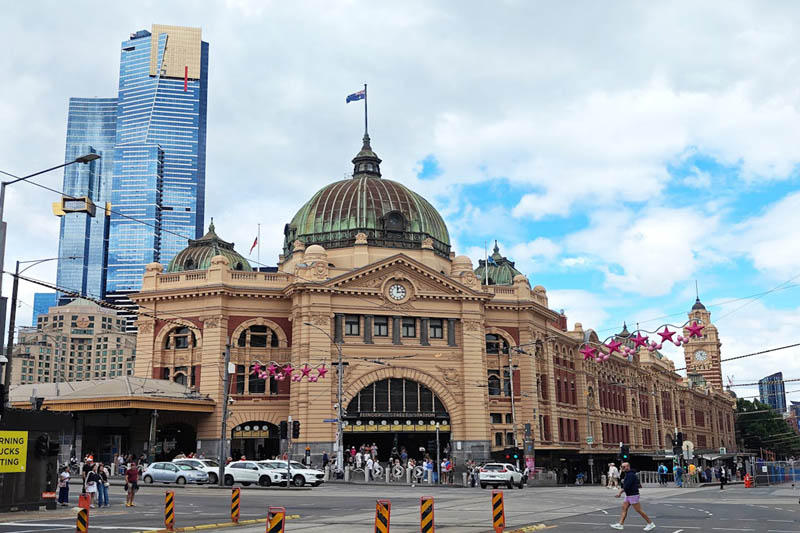
Melbourne is widely celebrated as Australia's cultural capital, renowned for its vibrant arts scene, diverse culinary landscape, and historic laneways filled with street art. The city offers a unique blend of Victorian-era architecture and modern skyscrapers, creating an inspiring skyline that reflects its rapid growth and sophistication. Residents enjoy a high quality of life driven by world-class infrastructure, extensive parklands, and a deep-seated passion for sports and major events.
Top Attractions
The city is home to the iconic Royal Botanic Gardens, providing a lush green escape right on the edge of the central business district. Visitors often flock to the National Gallery of Victoria to explore its extensive art collections, while the Melbourne Cricket Ground stands as a testament to the city's immense love for sport. Federation Square serves as a central hub where people gather to experience the heartbeat of the city through various festivals and performances throughout the year.
Quality of Life Criteria
Melbourne maintains a generally safe environment for both residents and tourists, with highly visible police presence in the central business district. While petty crime can occur in crowded areas or late at night, the overall risk is low compared to other major global cities. Public spaces are well-maintained and lit, encouraging a vibrant nightlife that feels secure for most people. Community-based programs and strict regulations help in sustaining a peaceful urban atmosphere across most suburbs. Safety remains a priority for local councils, ensuring that public transport and popular precincts are monitored effectively.
The cost of living in Melbourne is relatively high, particularly regarding housing and rental prices in central and inner-city locations. While everyday expenses like groceries and utilities are manageable, the overall financial burden for residents is notable when compared to national averages. Rent consumes a significant portion of income for many young professionals, often pushing them to seek accommodation in more affordable outer suburbs. Dining and social activities are priced at a premium, though they are often justified by the high quality of services available in the city. Consequently, maintaining a comfortable lifestyle in the heart of the city requires a substantial and consistent monthly salary.
Melbourne is famous for having four seasons in one day, offering a temperate climate that changes rapidly throughout any given 24-hour period. Summers are generally warm to hot, occasionally reaching high temperatures, while winters remain cool but rarely freezing. Rainfall is evenly distributed throughout the year, ensuring that the city's parks and gardens remain lush and green. This variability means that residents often need to be prepared for any weather, keeping layers and umbrellas handy at all times. Despite the unpredictability, the climate is conducive to outdoor living and a wide variety of sporting activities throughout the year.
The city places a strong emphasis on environmental sustainability, evidenced by its vast network of parks and tree-lined streets. Urban planning incorporates significant green corridors that help reduce the heat island effect and provide recreational spaces for everyone. Noise levels in the central areas are well-managed despite the density, thanks to effective traffic management and pedestrian-only laneways. Melbourne is actively working towards becoming a carbon-neutral city, with investments in renewable energy and waste reduction programs being highly visible. Residents are generally environmentally conscious, participating in recycling and community-led sustainability initiatives that keep the city clean and vibrant.
Melbourne is an artistic powerhouse, known for its deep appreciation of creativity, fashion, music, and culinary excellence. The city boasts a dense collection of museums, theaters, and independent galleries that host world-class exhibitions and performances throughout the year. Its unique laneway culture creates a dynamic urban fabric where street art and niche cafes are around every corner. Diversity is a core strength of the city, which is reflected in its multicultural food festivals, religious celebrations, and linguistic variety. It is undeniably a city where culture is not just observed but actively lived by its diverse population.
Public transportation in Melbourne is extensive, featuring the world's largest tram network that provides convenient access to much of the city and inner suburbs. Trains and buses connect the wider metropolitan area, ensuring that most residents can navigate the city without relying on a car. The city is increasingly bike-friendly, with dedicated lanes and paths being expanded to accommodate the growing number of cyclists. Traffic congestion can be a challenge during peak hours on major arterial roads, but the system is robust and reliable overall. Recent upgrades to infrastructure continue to improve frequency and connectivity across all modes of transport.
The healthcare system in Melbourne is world-class, providing high-quality care through a mix of public and private facilities. Access to doctors, specialists, and emergency services is efficient, supported by advanced medical technologies and highly trained professionals. Most residents have easy access to hospitals and health centers, even in outer suburban areas, ensuring timely medical intervention when needed. While private healthcare can be expensive, the public system offers comprehensive coverage that remains one of the best in the country. The integration of community health services ensures that residents have consistent support for preventive and long-term care needs.
Education in Melbourne is highly regarded globally, with a robust system that spans from early childhood to top-tier university studies. The city is home to several internationally recognized universities that attract students from all around the world to study and live here. Public and private schools are well-distributed across the city, providing quality learning environments with a strong focus on academic and personal development. Extensive library networks and community education programs offer life-long learning opportunities for residents of all ages and backgrounds. The combination of strong research institutions and a commitment to accessible schooling makes it an ideal place for families and students.
Melbourne offers a superior commercial landscape, characterized by diverse shopping precincts ranging from luxury malls to quirky, independent boutiques. The dining scene is exceptional, with thousands of restaurants, cafes, and bars reflecting a global fusion of culinary traditions. Essential services are readily available in almost every suburb, making daily tasks like banking and grocery shopping extremely convenient. Digital services and infrastructure support a modern lifestyle, with high-speed internet and reliable connectivity becoming standard across the urban area. The convenience of modern city living is well-balanced with a thriving local service industry that prioritizes customer experience.
The city is a significant economic hub in the Asia-Pacific region, offering numerous opportunities in sectors like finance, technology, research, and creative industries. Entrepreneurship is strongly supported through incubators, coworking spaces, and government grants that encourage innovation and startup growth. Professional development prospects are excellent, with many multinational companies establishing their regional headquarters in Melbourne. The workforce is highly skilled, and the city continuously attracts international talent that contributes to a dynamic and competitive market. Overall, the economic environment is stable yet innovative, providing a solid foundation for long-term career progression and business success.
City Comparison
| Criterion | Melbourne | Brisbane |
|---|---|---|
| 💰 Cost of Living | 4.5/10 | 6.5/10 |
| 🏠 Real estate | 2 800€ | 2 400€ |
| 🚨 Safety | 7.5/10 | 8/10 |
| 🌡️ Climate | 280 days of sunshine | 22 days of sunshine |
| 💼 Economic Opportunities | 8.5/10 | 8.4/10 |
| 🚗 Transportation | 8.5/10 | 7.5/10 |
| Quality of life | 8.5/10 | 8.2/10 |