 Français
 Deutsch
 Español
 Italiano
 Português
 Nederlands




Brisbane (Australia)
City Scores
| Criterion | Score |
|---|---|
| 🛡️ Safety | 8.0/10 |
| 💰 Cost of Living | 6.5/10 |
| ☀️ Climate | 9.0/10 |
| 🌿 Environment | 8.5/10 |
| 🎭 Culture | 8.0/10 |
| 🚌 Transportation | 7.5/10 |
| 🏥 Healthcare | 8.8/10 |
| 📚 Education | 8.5/10 |
| 🏪 Commerce & Services | 8.2/10 |
| 💼 Economic Opportunities | 8.4/10 |
About the City
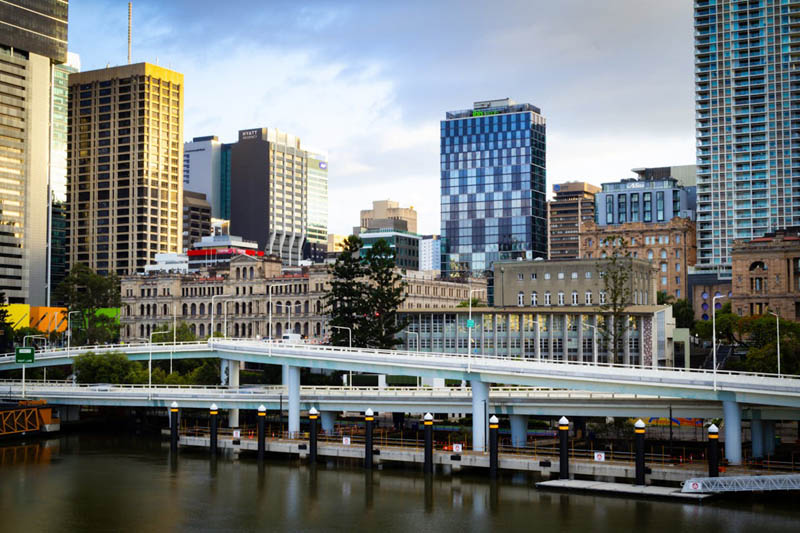
Brisbane is a vibrant, sun-drenched capital city that serves as the gateway to Queensland's world-famous attractions. Nestled along the winding Brisbane River, the city seamlessly blends modern urban sophistication with a relaxed, outdoor-oriented lifestyle. It has transformed into a major cultural hub, characterized by its subtropical climate and thriving arts scene that appeals to residents and tourists alike.
Top Attractions
Visitors often start their journey at the South Bank Parklands, where lush gardens and a man-made beach offer a unique urban retreat. The Lone Pine Koala Sanctuary remains a top highlight, allowing people to experience Australia's iconic wildlife in a natural setting. Additionally, the iconic Story Bridge provides breathtaking panoramic views of the skyline, especially when illuminated at night.
Quality of Life Criteria
Brisbane is widely recognized as a very safe city with low violent crime rates compared to global averages. The streets in the central business district and inner suburbs are generally well-lit and monitored during the night. Public spaces are patrolled regularly, providing a strong sense of security for residents and visitors alike. Even in more active areas like the nightlife districts, security personnel maintain a calm and safe environment. Most locals feel comfortable walking alone after dark in the majority of suburban areas.
The cost of living in Brisbane has risen in recent years, placing it in a moderate to expensive bracket for Australia. Housing rent in the central areas remains a significant portion of the average monthly income for most households. While basic groceries and utilities are manageable, the high demand for inner-city living drives up property prices. Eating out and leisure activities are reasonably priced, but discretionary spending can add up quickly for families. Overall, residents need a solid middle-class income to maintain a comfortable lifestyle without financial strain.
The climate is arguably one of Brisbane's greatest assets, featuring a pleasant subtropical environment with mild winters and warm, sunny summers. Residents enjoy over 280 days of sunshine annually, which encourages an active outdoor lifestyle throughout the year. While summers can bring periods of high humidity and occasional heavy rainfall, these events are usually short-lived and refreshing. Winters are exceptionally comfortable, rarely dropping to freezing temperatures, making it a haven for those who dislike extreme cold. The gentle sea breezes from the nearby coast help to moderate temperatures during the hottest months.
Environmental standards are very high in Brisbane, with the city actively promoting green initiatives and waste reduction. There is an abundance of expansive parks and riverfront walkways that preserve native vegetation and provide essential urban cooling. The city government has integrated many bike paths and walking tracks into the urban landscape, reducing reliance on private vehicles. Residents take pride in the cleanliness of the streets and the preservation of local waterways and protected bushland areas. Air quality remains consistently good due to the city's open layout and proximity to the coast.
Brisbane offers a rich and diverse cultural landscape that has flourished significantly over the last decade. The Cultural Centre at South Bank serves as the focal point, housing world-class galleries and museums that attract major international exhibitions. The city hosts a variety of festivals throughout the year, ranging from music and arts to food and wine celebrations. A vibrant local scene supports independent theaters and live music venues that cater to various tastes and subcultures. Residents benefit from a society that embraces multiculturalism, which is clearly reflected in the city's diverse culinary offerings.
The transportation network is comprehensive, utilizing a reliable system of buses, suburban trains, and the popular CityCat ferry service. These ferry services, in particular, offer a scenic and efficient way to navigate along the river to various hubs. While the city is very well-connected, traffic congestion can be an issue during peak morning and afternoon commute times for those using cars. The local government continues to invest heavily in cycling infrastructure and bridge construction to ease these bottlenecks effectively. Overall, the public transport system is punctual and covers the vast majority of residential and business districts.
The healthcare system in Brisbane is world-class, featuring both highly advanced public hospitals and premium private facilities. Residents have access to a wide range of specialized medical services and emergency care that are available 24/7. Wait times for elective procedures are generally managed well, though they can vary depending on the specific medical requirement. The abundance of community clinics and general practitioners ensures that basic health needs are met within local neighborhoods. Overall, the city is well-equipped to handle all levels of medical care, providing peace of mind for its growing population.
Educational opportunities in Brisbane are excellent, with a strong emphasis on both high-quality public schooling and prestigious private institutions. The city is home to several top-tier universities that attract a large number of international and domestic students every year. There are numerous libraries and community learning centers located throughout the suburbs, supporting lifelong education for all ages. Early education facilities are plentiful and highly regulated, ensuring that young children receive the care they need. Parents will find that the school systems are well-resourced and focused on producing competitive academic outcomes.
Brisbane provides a very convenient shopping and service environment, with many large modern malls and localized shopping precincts. Access to daily essential services like banks, supermarkets, and post offices is straightforward and available in almost every suburb. The city has seen a major boom in the number of high-quality restaurants and cafes that offer cuisines from all corners of the globe. Digital services are well-integrated into the local economy, allowing for seamless online banking and administrative tasks for residents. The business hours are typically accommodating, ensuring that residents can access services even after work hours.
The job market in Brisbane is robust and diversified, showing strong growth in sectors like technology, healthcare, and infrastructure. As the city continues to expand, there are significant opportunities for professionals looking to advance their careers in a rapidly developing hub. The local government actively supports entrepreneurship through various startup incubators and business grants designed to foster local innovation. Its growing international connectivity makes it an attractive base for multinational corporations expanding into the Asia-Pacific market. Overall, the economy provides a stable and promising environment for those seeking long-term professional growth.
City Comparison
| Criterion | Brisbane | Melbourne |
|---|---|---|
| 💰 Cost of Living | 6.5/10 | 4.5/10 |
| 🏠 Real estate | 2 400€ | 2 800€ |
| 🚨 Safety | 8/10 | 7.5/10 |
| 🌡️ Climate | 22 days of sunshine | 280 days of sunshine |
| 💼 Economic Opportunities | 8.4/10 | 8.5/10 |
| 🚗 Transportation | 7.5/10 | 8.5/10 |
| Quality of life | 8.2/10 | 8.5/10 |