 Français
 Deutsch
 Español
 Italiano
 Português
 Nederlands




Brussels (Belgium)
City Scores
| Criterion | Score |
|---|---|
| 🛡️ Safety | 7.5/10 |
| 💰 Cost of Living | 6.0/10 |
| ☀️ Climate | 6.5/10 |
| 🌿 Environment | 7.0/10 |
| 🎭 Culture | 9.0/10 |
| 🚌 Transportation | 8.0/10 |
| 🏥 Healthcare | 8.5/10 |
| 📚 Education | 8.5/10 |
| 🏪 Commerce & Services | 8.0/10 |
| 💼 Economic Opportunities | 8.5/10 |
About the City
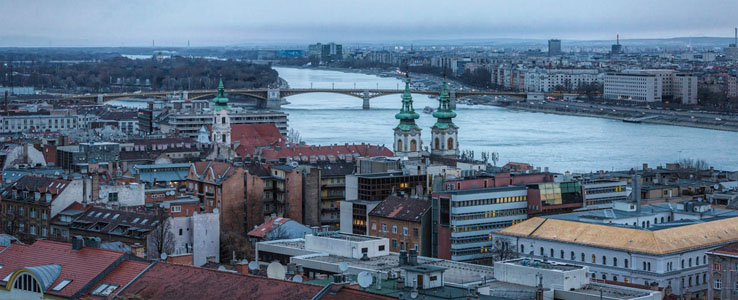
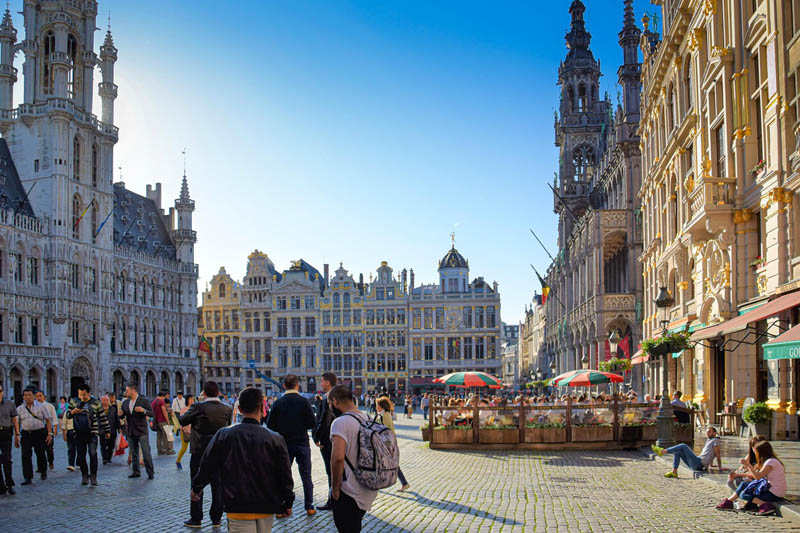
Brussels serves as the vibrant heart of Europe, blending historic grandeur with a distinctly modern, international atmosphere. As a city that hosts key institutions, it offers a unique mix of political significance and cultural charm that defines its identity. Visitors are often captivated by the contrast between its ornate architecture and the lively, progressive spirit of its diverse urban population.
Top Attractions
The Grand Place remains an architectural masterpiece that serves as the city's historical focal point, especially when illuminated at night. Nearby, the Manneken Pis stands as a cheeky and iconic symbol of the city's independent sense of humor. For art enthusiasts, the Royal Museums of Fine Arts provide an extensive journey through centuries of Belgian and European artistic achievements.
Quality of Life Criteria
Brussels maintains a relatively safe environment, although common petty crime requires standard urban vigilance. The city center is heavily patrolled by both police and military personnel to ensure public security. While certain areas may feel less secure late at night, the vast majority of the city remains welcoming for locals and tourists alike. Lighting in public spaces is generally excellent, contributing to a sense of comfort for those walking home. Overall, the city is resilient and well-managed despite its complex urban challenges.
Living in Brussels comes with a price tag that reflects its status as a major European capital. Rents have seen steady increases over recent years, placing pressure on the average monthly household income for those living centrally. While everyday grocery costs remain stable, dining out and leisure activities can quickly become a significant financial burden. However, compared to other major hubs like Paris or London, the city still offers a relatively balanced cost-of-living profile. Residents often find that finding housing outside the immediate center provides much better value for their money.
The climate in Brussels is defined by its maritime character, resulting in mild but often overcast and drizzly conditions throughout the year. Summers are generally pleasant with moderate temperatures, rarely reaching extreme heat, which makes them perfect for outdoor cafe culture. Winters can be quite chilly and grey, often requiring residents to adapt their social lives to indoor venues. While sunshine is not as abundant as in Southern Europe, the lack of extreme weather events makes the city very predictable. Most residents accept the weather as a small trade-off for the city's incredible central location.
Brussels is surprisingly green, boasting numerous parks and forested areas that provide a necessary escape from the urban density. The city has made significant strides in urban planning to integrate more trees and green corridors into its historical layout. Air quality has shown measurable improvement, although traffic congestion remains a hurdle that the city is actively tackling. Public initiatives for sustainability and waste management are becoming increasingly prominent in daily life. It is clear that the city values its environmental health as a core component of its future growth.
The cultural landscape of Brussels is truly second to none, acting as a massive melting pot of languages, arts, and traditions. From world-class art galleries and museums to a thriving underground music scene, there is always an event occurring somewhere in the city. Its multicultural population ensures a diverse array of culinary offerings, making it a dream destination for food enthusiasts. The historic architecture of the city serves as a permanent backdrop to its vibrant and progressive contemporary life. Every neighborhood feels like a different village, each contributing to the rich tapestry of the city's identity.
Transportation in Brussels is highly efficient, with an extensive network of metros, trams, and buses that cover almost every corner. The CityCat-like accessibility of public transit means that most residents do not need a private vehicle for daily commuting. Traffic congestion can be a nuisance during peak hours, particularly in the central business districts where roads were not designed for modern volumes. Recent investments in cycling infrastructure have made the city much friendlier for those choosing to bike to work. Connectivity to other major European capitals via high-speed rail is a massive advantage for international travelers.
Healthcare in Brussels is exceptionally high quality, benefiting from a robust system that is accessible to all residents. The city is home to several top-tier hospitals that utilize the latest medical technologies and highly trained specialists. Wait times for elective procedures are generally reasonable, and emergency services are prompt and reliable throughout the city. Insurance coverage is mandatory and well-structured, ensuring that health remains affordable even for those needing complex care. The integration of public and private health facilities provides a comprehensive safety net for the entire population.
Brussels provides an excellent educational environment, catering to a diverse population with both local and international schools. The presence of multiple universities attracts a large student body, fostering an atmosphere of intellectual curiosity and debate. Many schools offer multilingual programs, which is a significant benefit for expatriate families seeking a globalized education for their children. Libraries and research centers are abundant and easily accessible, supporting lifelong learning for all age groups. The standard of teaching is high, reflecting the city's commitment to academic excellence in a competitive global market.
Commerce and services in Brussels are highly convenient, ensuring that all daily needs are easily met within a short distance. From historic shopping arcades to modern malls, the city offers a wide variety of shopping experiences for different tastes and budgets. Essential services like banks, post offices, and administrative offices are well-distributed and digitized, simplifying everyday tasks significantly. The dining scene is particularly noteworthy, with an incredible density of restaurants and cafes that cater to every imaginable palate. The overall reliability of utilities and internet services further adds to the ease of living in this capital.
Economic opportunities in Brussels are vast, primarily driven by its position as the administrative center of the European Union. This status brings a constant flow of international organizations, lobbyists, and multinational corporations looking for talent. The job market is dynamic, particularly in sectors related to public policy, international law, communications, and specialized consulting. While competition for high-level positions is strong, the city attracts the brightest minds from across the globe, creating a very professional atmosphere. Entrepreneurs also find a growing support system of incubators and co-working spaces designed to foster innovation.
City Comparison
| Criterion | Brussels | Amsterdam | Düsseldorf |
|---|---|---|---|
| 💰 Cost of Living | 6/10 | 5.8/10 | 6/10 |
| 🏠 Real estate | 1 200€ | 1 700€ | 1 250€ |
| 🚨 Safety | 7.5/10 | 8.5/10 | 8.5/10 |
| 🌡️ Climate | 12 days of sunshine | 173 days of sunshine | 20 days of sunshine |
| 💼 Economic Opportunities | 8.5/10 | 8.3/10 | 9/10 |
| 🚗 Transportation | 8/10 | 9/10 | 9/10 |
| Quality of life | 7.8/10 | 8.2/10 | 8.2/10 |