 Français
 Deutsch
 Español
 Italiano
 Português
 Nederlands




Jerusalem (Israel)
City Scores
| Criterion | Score |
|---|---|
| 🛡️ Safety | 7.5/10 |
| 💰 Cost of Living | 4.0/10 |
| ☀️ Climate | 8.0/10 |
| 🌿 Environment | 6.0/10 |
| 🎭 Culture | 10.0/10 |
| 🚌 Transportation | 7.0/10 |
| 🏥 Healthcare | 8.5/10 |
| 📚 Education | 8.0/10 |
| 🏪 Commerce & Services | 8.5/10 |
| 💼 Economic Opportunities | 7.5/10 |
About the City
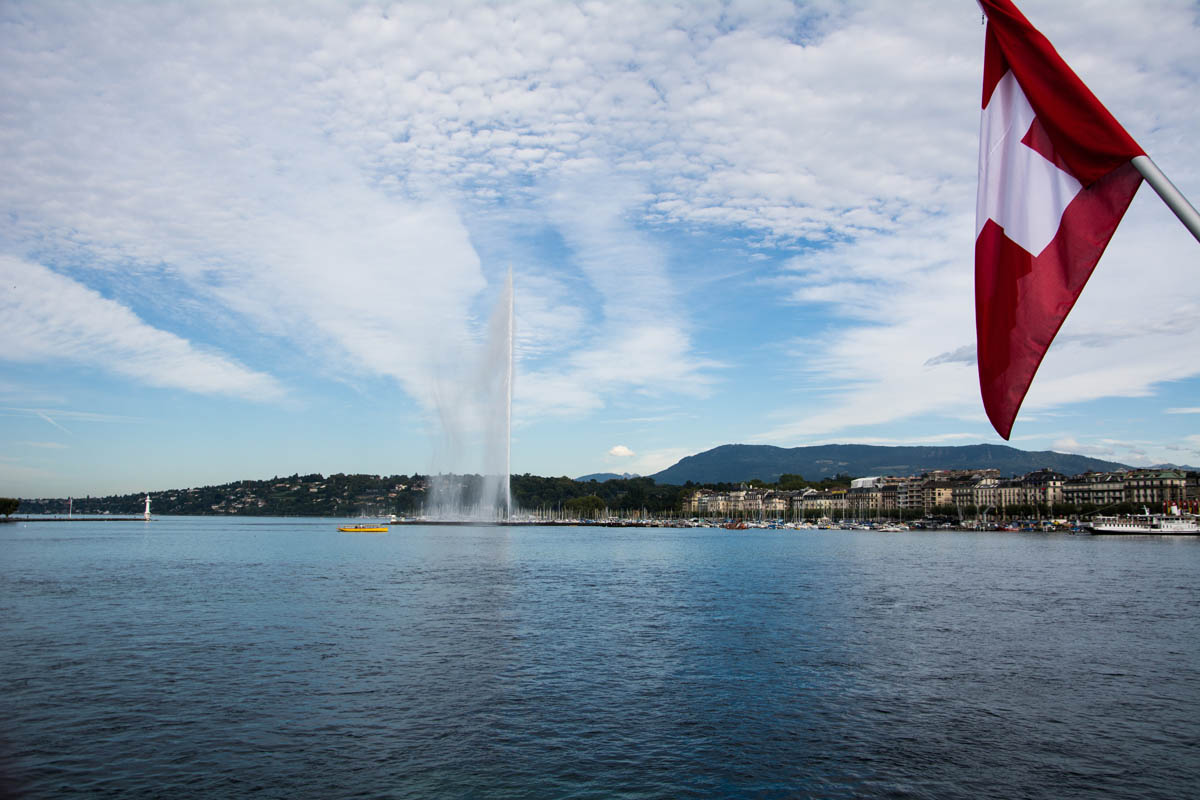
Jerusalem is one of the oldest cities in the world, serving as a profound spiritual heart for three major monotheistic religions. The city uniquely blends ancient stone architecture with the vibrant pulse of a modern, fast-growing urban capital. Its atmosphere is charged with thousands of years of history, visible in every corner of the legendary Old City.
Top Attractions
The Old City is home to world-renowned sites including the Western Wall, the Dome of the Rock, and the Church of the Holy Sepulchre. Outside the ancient walls, the Israel Museum houses the famous Dead Sea Scrolls, providing a deep dive into archaeological treasures. Visitors often enjoy the bustling atmosphere of Mahane Yehuda Market, which transforms from a day-time food market into a lively nightlife hub at night.
Quality of Life Criteria
Jerusalem is generally a safe city for residents and tourists alike, with a strong security presence due to its unique geopolitical status. While tensions can occasionally arise in specific areas, daily life in the majority of neighborhoods remains calm and secure. Law enforcement is highly active, providing a protective environment for public spaces and major cultural sites. Visitors rarely encounter serious street crime, though maintaining awareness in highly crowded religious or political centers is always recommended. Overall, the city maintains a resilient sense of community safety that allows its vibrant life to continue uninterrupted.
Living in Jerusalem is quite expensive, as the city consistently ranks among the most costly destinations in the region. Housing rent, especially in central and historic areas, absorbs a significant portion of a household budget, putting pressure on residents. The cost of groceries, dining out, and daily imported goods is significantly higher compared to neighboring urban centers. While local markets offer some relief, the overall expense of living is driven by high demand for real estate and a robust, though pricey, service economy. Residents often need a solid income level to maintain a comfortable standard of living within the city boundaries.
Jerusalem benefits from a pleasant Mediterranean climate, characterized by warm, dry summers and cool, mild winters. The city is located at a high elevation, which brings a refreshing breeze during the summer months and occasional light snowfall in winter. Sunlight is abundant for the majority of the year, making it an ideal location for outdoor exploration and tourism. Rainfall is concentrated in the winter season, ensuring the hills stay green throughout the spring. Overall, the weather is predictable and supports a comfortable, active outdoor lifestyle year-round.
The city balances its dense ancient core with numerous urban parks and green belts that provide necessary relief for its population. Efforts to expand pedestrian-friendly zones have successfully improved the air quality in the central shopping districts and historic sites. However, the heavy traffic volume during rush hours presents challenges to the city’s overall environmental goals. Ongoing urban planning projects are focused on integrating more green infrastructure and sustainable transit into the older neighborhoods. With careful management, Jerusalem continues to preserve its natural beauty while managing the pressures of rapid modernization.
Jerusalem is an unrivaled global center of culture, history, and spirituality, offering a depth that few other cities can claim. The convergence of Jewish, Christian, and Islamic traditions has created a rich tapestry of art, architecture, and religious heritage. Countless museums, historic sites, and cultural venues host performances and exhibitions that celebrate this profound multi-layered past. For those who value human history and artistic expression, the city provides an endless source of inspiration and learning. It is truly a unique place where ancient traditions live side-by-side with contemporary cultural dynamism.
Jerusalem features a growing public transport network, highlighted by its efficient Light Rail system that connects the main commercial and residential hubs. Buses are widely available and serve almost every corner of the city, though traffic congestion remains a frequent issue during peak hours. The city has recently invested in expanding transit infrastructure, including new road links and improvements to its light rail lines. Walking is highly practical within the Old City and central pedestrian areas, making them easy to explore on foot. Despite the challenge of heavy vehicular traffic, the connectivity between neighborhoods continues to improve steadily.
Healthcare in Jerusalem is of a very high standard, featuring advanced medical facilities and world-renowned research hospitals. Residents have excellent access to primary care physicians, specialists, and state-of-the-art diagnostic equipment throughout the city. The medical staff is highly trained, and the institutions are deeply integrated into the global medical community, ensuring modern treatments. While public health services are busy, the quality of care remains consistently high for both emergency and routine medical needs. Jerusalem offers a secure environment for families and elderly residents, knowing that top-tier medical help is always accessible.
The education sector in Jerusalem is robust, boasting a variety of high-quality public schools and prestigious academic institutions. The city serves as a hub for higher education, with renowned universities that attract students from all over the world for research and learning. International school options are also available, catering to the diverse needs of the expatriate community and families seeking multilingual education. Early childhood development services are well-supported, and the emphasis on scholastic achievement is reflected in the city’s numerous libraries and cultural institutions. Overall, students have access to a strong academic foundation from primary school through to advanced degrees.
Commerce in Jerusalem is exceptionally diverse, blending historic market stalls with ultra-modern shopping malls and high-end retail districts. The Mahane Yehuda market remains a centerpiece for fresh food and local delicacies, while malls provide a modern convenience for global brands and services. Essential services, banking, and professional consulting are easily accessible, supported by a growing digital service sector that simplifies daily tasks. The city is well-prepared for both local shopping needs and professional business activities, ensuring a seamless experience. The accessibility and variety of goods contribute significantly to the ease and quality of life in the capital.
Jerusalem holds significant economic potential, particularly in sectors such as high-tech, biotechnology, and academic research. The city fosters a growing entrepreneurial environment, supported by local government initiatives and proximity to top-tier research universities. Professionals can find ample growth opportunities in both established corporate headquarters and burgeoning startup hubs scattered throughout the city. While the competition for talent is high, the city’s international connections and strong research base provide a stable platform for career advancement. Jerusalem is an attractive place for those looking to merge professional development with a unique cultural and historical setting.
City Comparison
| Criterion | Jerusalem | Naples |
|---|---|---|
| 💰 Cost of Living | 4/10 | 7.8/10 |
| 🏠 Real estate | 1 400€ | 850€ |
| 🚨 Safety | 7.5/10 | 5.8/10 |
| 🌡️ Climate | 15 days of sunshine | 250 days of sunshine |
| 💼 Economic Opportunities | 7.5/10 | 5.9/10 |
| 🚗 Transportation | 7/10 | 6.2/10 |
| Quality of life | 7.2/10 | 7.1/10 |