 Français
 Deutsch
 Español
 Italiano
 Português
 Nederlands




Milan (Italy)
City Scores
| Criterion | Score |
|---|---|
| 🛡️ Safety | 7.5/10 |
| 💰 Cost of Living | 4.5/10 |
| ☀️ Climate | 6.8/10 |
| 🌿 Environment | 6.5/10 |
| 🎭 Culture | 9.5/10 |
| 🚌 Transportation | 9.0/10 |
| 🏥 Healthcare | 9.2/10 |
| 📚 Education | 8.8/10 |
| 🏪 Commerce & Services | 9.5/10 |
| 💼 Economic Opportunities | 9.8/10 |
About the City
Milan stands as the undisputed fashion and financial powerhouse of Italy, blending intense modern energy with profound historical roots. Visitors are often captivated by the contrast between its fast-paced business districts and the quiet, hidden courtyards tucked away in ancient alleys. It is a city that never stops evolving, constantly redefining its identity as a global center for design, innovation, and high-end lifestyle.
Top Attractions
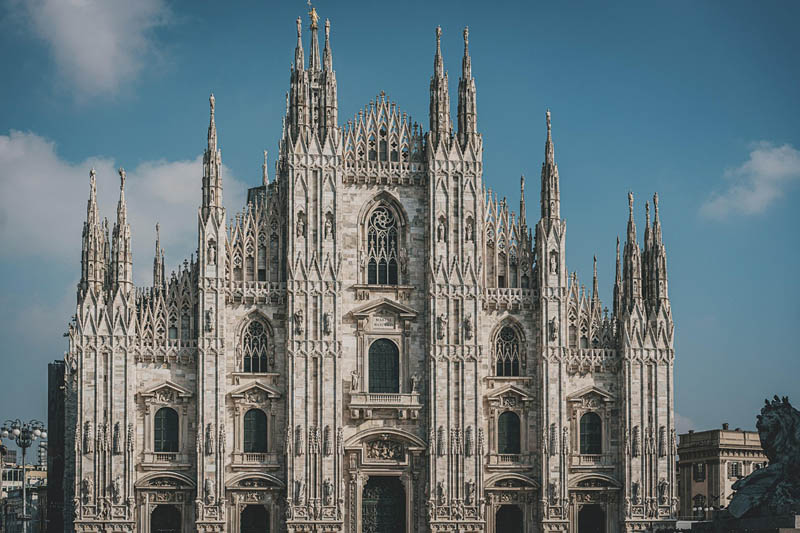
The magnificent Duomo di Milano dominates the city center, offering breathtaking views from its Gothic rooftop terraces that stretch toward the Alps. Nearby, the Galleria Vittorio Emanuele II invites you to walk through one of the world's oldest and most elegant shopping arcades filled with luxury boutiques. Do not miss Leonardo da Vinci's legendary mural, The Last Supper, housed in the refectory of the Santa Maria delle Grazie convent, which remains one of history's greatest artistic treasures.
Quality of Life Criteria
Milan maintains a generally safe environment, especially in central tourist areas where police presence is visible and consistent. While petty crime like pickpocketing exists in crowded spots, violent crime remains remarkably low compared to other major global cities. Residents generally feel secure walking through most neighborhoods, even after the sun goes down. Vigilance is advised in major transport hubs, but the overall sense of safety is very strong. Community policing initiatives have further helped maintain a stable and secure urban atmosphere.
Living in the heart of the Italian economy comes with a significant price tag, particularly concerning rental accommodations. The housing market is highly competitive, pushing prices up in the most desirable districts near the historic center. Daily expenses such as dining out and groceries reflect the high standard of living, though local markets offer more affordable options. While salaries are typically higher than the national average, the cost of housing often consumes a large portion of disposable income. Ultimately, Milan requires careful financial planning to fully enjoy the luxury and convenience the city provides.
Milan experiences a distinct four-season climate characterized by hot, humid summers and cold, foggy winters. Spring and autumn are arguably the most pleasant periods, offering mild temperatures and beautiful clear days perfect for outdoor activities. Rainfall is distributed throughout the year, with occasional heavy showers in the late summer months. Winters can feel quite gray due to the typical Po Valley mist, but it rarely stays freezing for extended periods. It is a climate of extremes, requiring residents to be prepared for the distinct transition between seasons.
The city has made significant strides in urban sustainability by creating larger pedestrian zones and increasing public awareness of environmental impact. While the industrial history of the region presents challenges with air quality during the winter months, urban renewal projects are actively expanding green spaces. Parks like Sempione provide essential lungs for the city, offering a green escape from the surrounding concrete. Future city planning prioritizes carbon neutrality and the integration of more nature within the dense urban fabric. It is a work in progress that balances its rapid industrial pace with an growing ecological responsibility.
As a global capital of fashion and design, Milan offers an unparalleled cultural density that caters to every taste. From the world-class performances at La Scala to the avant-garde exhibits in private art foundations, the city is a living museum of creativity. The blend of Renaissance history and modern innovation makes every street corner a potential discovery for the curious traveler. Cultural events and international festivals ensure that there is always something new to experience throughout the year. It truly stands as one of the world's most vibrant hubs for artistic and intellectual exchange.
Public transportation in Milan is efficient, clean, and incredibly well-connected, making car ownership largely unnecessary for city residents. The metro system reaches deep into the suburbs, while the extensive tram network maintains the city's classic charm while providing practical daily mobility. Walking is a joy in the central districts, where pedestrian-friendly streets link the major monuments and commercial hubs seamlessly. Biking infrastructure continues to improve, supported by bike-sharing programs that are integrated into the public transport app. It is a model of connectivity that facilitates life for locals and tourists alike.
Healthcare in Milan is among the best in Europe, with numerous hospitals recognized globally for their medical research and specialized care. Patients benefit from a hybrid system that provides both public coverage and premium private options, ensuring fast access to consultations. Doctors are highly trained, and the emergency response infrastructure is remarkably efficient, even in the busiest urban districts. The city attracts medical professionals from all over, fostering a high-standard clinical environment. Residents can rely on top-tier facilities that prioritize patient well-being and technological integration.
Milan serves as a premier destination for education, hosting some of Italy's most prestigious universities in business, design, and technical fields. The city provides a wide range of international schools that attract families from around the globe, ensuring high-quality primary and secondary education. Libraries and research centers are abundant, fostering a culture of learning that extends beyond the classroom. The student-to-teacher ratios in private institutions are favorable, and the academic environment is deeply connected to industry. It is a city that supports intellectual growth at every stage of the professional and academic journey.
Commerce in Milan is an art form, featuring everything from high-fashion boutiques to traditional neighborhood grocery stores that offer artisanal goods. The service sector is incredibly reliable, with digital infrastructure that supports everything from food delivery to mobile banking with ease. Convenience is baked into the city life, as most essential services are within a short walk from residential areas. The abundance of cafes and restaurants ensures that social dining is always a convenient and high-quality option. It is a retail paradise where the demands of modern life are met with style and precision.
The economic environment in Milan is the most dynamic in Italy, serving as the headquarters for countless multinational corporations and startups. Professional opportunities are plentiful, especially in finance, fashion, marketing, and the burgeoning tech sector. The city acts as a magnet for ambitious talent, providing a vast network for career development and international business exposure. Entrepreneurship is highly encouraged, with numerous co-working spaces and innovation hubs supporting new ventures. It is an engine of growth that offers the best career prospects in the country.
City Comparison
| Criterion | Milan | Munich | Marseille |
|---|---|---|---|
| 💰 Cost of Living | 4.5/10 | 3.5/10 | 6.8/10 |
| 🏠 Real estate | 1 400€ | 1 650€ | 850€ |
| 🚨 Safety | 7.5/10 | 8.8/10 | 6.5/10 |
| 🌡️ Climate | 150 days of sunshine | 120 days of sunshine | 300 days of sunshine |
| 💼 Economic Opportunities | 9.8/10 | 9.2/10 | 6.9/10 |
| 🚗 Transportation | 9/10 | 9/10 | 7.2/10 |
| Quality of life | 7.8/10 | 8.4/10 | 7.4/10 |