 Français
 Deutsch
 Español
 Italiano
 Português
 Nederlands




Osaka (Japan)
City Scores
| Criterion | Score |
|---|---|
| 🛡️ Safety | 9.2/10 |
| 💰 Cost of Living | 5.2/10 |
| ☀️ Climate | 6.8/10 |
| 🌿 Environment | 7.2/10 |
| 🎭 Culture | 8.9/10 |
| 🚌 Transportation | 9.4/10 |
| 🏥 Healthcare | 8.6/10 |
| 📚 Education | 8.2/10 |
| 🏪 Commerce & Services | 9.3/10 |
| 💼 Economic Opportunities | 8.1/10 |
About the City
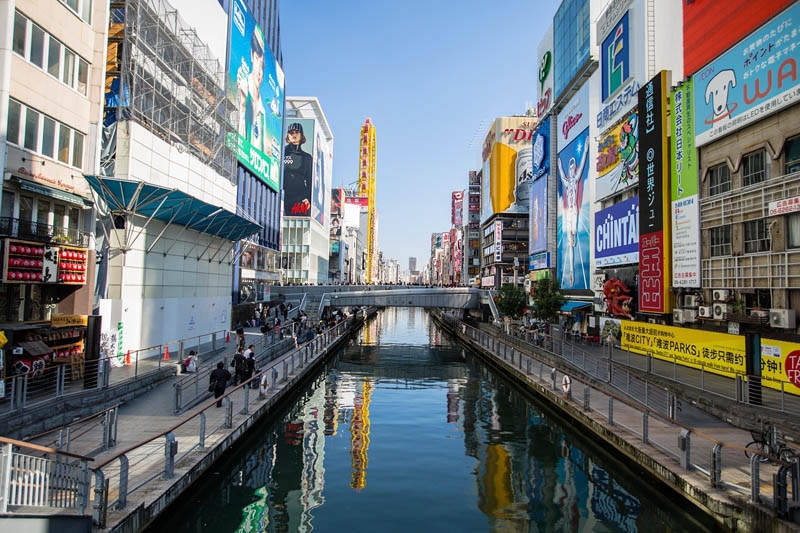
Renowned as Japan's street food capital, Osaka dynamically blends historical charm with an unapologetically modern and neon-lit skyline. The city serves as the economic powerhouse of the Kansai region, maintaining a distinct identity defined by its warm, outgoing citizens and an incredibly lively merchant culture. Visitors and residents alike are drawn to its unique atmosphere where traditional temples stand in perfect harmony alongside massive, futuristic shopping complexes.
Top Attractions
The magnificent Osaka Castle stands as a striking testament to the city's samurai heritage, surrounded by breathtaking cherry blossom gardens that captivate millions of visitors each spring. In stark contrast, the dazzling neon landscape of Dotonbori offers an sensory overload with its iconic Glico Man sign, bustling canal paths, and endless street food stalls. For a deeply cultural experience, the ancient Shitenno-ji Temple provides a serene escape into Buddhist history, showcasing timeless architecture amidst the modern urban sprawl.
Quality of Life Criteria
The city stands out as one of the safest urban environments globally, reporting exceptionally low rates of violent crime across all districts. Local neighborhoods remain completely welcoming and peaceful to walk through at any hour of the day or night. Residents actively maintain a strong community-oriented mindset that naturally deters anti-social behavior and promotes collective security. Police boxes, known locally as Kobans, are strategically situated throughout the streets to offer immediate and friendly assistance. This structural safety framework ensures that solo travelers and families can explore the metropolis with total peace of mind.
Living here requires a substantial financial commitment as accommodation and utility prices reflect the steep nature of developed Japanese markets. Central residential rents demand a significant portion of the average household budget, pushing many citizens toward outer suburban areas. Daily groceries and routine dining can easily accumulate into heavy expenses if one does not carefully navigate local supermarkets. While public transit is highly reliable, regular commuting costs add up quickly without a company-sponsored monthly pass. Nonetheless, the overall financial burden remains noticeably more manageable when directly compared to the staggering costs of living in Tokyo.
The regional climate delivers four distinct seasons, each bringing a dramatic shift in weather patterns and atmospheric conditions. Springtime introduces pleasantly mild temperatures and beautiful clear skies that perfectly accommodate outdoor festivals and cherry blossom viewing. However, the summer months bring intense, oppressive humidity combined with frequent heatwaves that make outdoor activities quite challenging. Autumn brings a welcome relief with cool breezes and incredibly crisp, comfortable days that are ideal for city exploration. Winters are generally cold and dry, though freezing temperatures are rare and significant snowfall within the city center is an exceptional event.
Industrial legacies and dense urban infrastructure present ongoing challenges, yet local authorities work tirelessly to implement green initiatives. Massive public parks, such as the expansive castle grounds, provide vital ecological spaces and fresh air corridors for the population. Air quality is consistently monitored and generally falls within safe, healthy parameters despite the immense daily volume of highway traffic. Waste management operates under highly rigorous recycling protocols that citizens strictly follow to keep public areas immaculate. Ongoing waterfront restoration projects aim to bring natural biodiversity back to the industrial rivers and port bays.
The local cultural scene thrives on a unique blend of ancient historical roots and dynamic modern expressions. The city proudly preserves traditional performing arts like Bunraku puppetry alongside a legendary contemporary comedy scene that influences national television. Dozens of highly specialized museums and historical monuments provide deep insights into the region's merchant heritage and architectural history. Annual festivals fill the streets with vibrant music, traditional costumes, and grand processions that bring historical eras back to life. This profound respect for heritage effortlessly coexists with a fast-paced pop culture that continually redefines regional trends.
The public transportation framework is a masterpiece of modern engineering, guaranteeing seamless connectivity across the entire metropolitan area. An extensive network of underground subway lines and overground trains operates with absolute precision and near-zero delays. Clean, well-maintained stations feature comprehensive English signage and digital interfaces that make navigation effortless for international commuters. Extensive bicycle lanes and wide sidewalks encourage residents to embrace active travel for their daily short-distance journeys. Additionally, the city is perfectly connected to global destinations via its two major international airport hubs.
Medical infrastructure is remarkably advanced, offering both residents and expatriates access to world-class clinical treatments and facilities. Major universal hospitals house cutting-edge technologies and are staffed by highly trained specialists across every medical field. The national health insurance system ensures that comprehensive medical treatments remain financially accessible to the entire population. Emergency response teams demonstrate incredible efficiency, navigating complex urban layouts to deliver rapid on-site care. While language barriers can occasionally occur, an increasing number of medical centers provide dedicated translation services for foreigners.
The educational landscape is highly competitive and boasts an exceptionally high standard of academic achievement and literacy. Public schools offer rigorous curricula that emphasize both strong academic fundamentals and deep social responsibility from an early age. Prestigious universities located within the city limits serve as major hubs for scientific research and intellectual development. International schools provide excellent alternative educational paths for global families, though their tuition fees are significantly higher. Comprehensive public libraries and community learning centers further support a culture of lifelong education across generations.
Commercial convenience reaches unparalleled heights here, making daily shopping and dining an incredibly smooth and efficient experience. Massive shopping arcades stretch across entire districts, sheltering consumers from bad weather while offering thousands of retail choices. Convenience stores sit on almost every street corner, operating twenty-four-seven to provide fresh food, banking facilities, and postal services. The culinary sector is legendary, boasting a dense concentration of restaurants ranging from cheap street stalls to Michelin-starred establishments. Digital payment options are universally integrated, allowing transactions to be processed instantly with a smartphone or transit card.
As a major commercial hub, the metropolis offers a robust job market with diverse opportunities in manufacturing, commerce, and technology. Countless multinational corporations position their regional headquarters here, creating stable career paths for skilled local and international professionals. The local government actively nurtures entrepreneurship by establishing dedicated startup zones and providing financial grants for innovative business ventures. Co-working spaces have expanded rapidly throughout the business districts, offering flexible infrastructure for freelancers and digital nomads. This economic dynamism ensures steady professional growth, though navigating the traditional corporate culture requires adaptability.
City Comparison
| Criterion | Osaka | Manila |
|---|---|---|
| 💰 Cost of Living | 5.2/10 | 7/10 |
| 🏠 Real estate | 850€ | 650€ |
| 🚨 Safety | 9.2/10 | 6/10 |
| 🌡️ Climate | 210 days of sunshine | 20 days of sunshine |
| 💼 Economic Opportunities | 8.1/10 | 8/10 |
| 🚗 Transportation | 9.4/10 | 4/10 |
| Quality of life | 8.4/10 | 6.8/10 |