 Français
 Deutsch
 Español
 Italiano
 Português
 Nederlands




Manila (Philippines)
City Scores
| Criterion | Score |
|---|---|
| 🛡️ Safety | 6.0/10 |
| 💰 Cost of Living | 7.0/10 |
| ☀️ Climate | 6.5/10 |
| 🌿 Environment | 4.5/10 |
| 🎭 Culture | 9.0/10 |
| 🚌 Transportation | 4.0/10 |
| 🏥 Healthcare | 7.0/10 |
| 📚 Education | 8.0/10 |
| 🏪 Commerce & Services | 9.0/10 |
| 💼 Economic Opportunities | 8.0/10 |
About the City
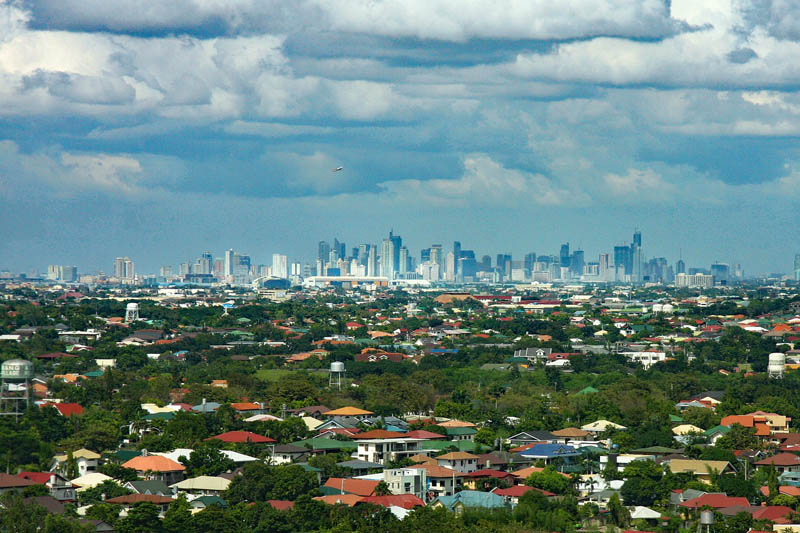
Manila is a bustling metropolis that serves as the vibrant heart of the Philippines, characterized by its unique blend of Spanish colonial history and rapid modern urbanization. The city offers an energetic atmosphere where historic landmarks sit alongside soaring skyscrapers, reflecting the country's complex cultural evolution. Visitors are drawn to its resilient spirit, colorful street life, and the genuine warmth of its people who make this dense capital feel unexpectedly welcoming.
Top Attractions
The historic Walled City of Intramuros stands as a poignant reminder of the Spanish era, featuring beautifully preserved stone fortifications and the iconic Manila Cathedral. Rizal Park serves as a grand urban oasis and a crucial historical site, honoring the national hero while providing a serene escape from the city's frantic pace. The National Museum complex offers deep insights into the nation's rich artistic heritage, housing masterpieces and archaeological treasures that tell the story of the archipelago.
Quality of Life Criteria
Manila is generally manageable for visitors, though safety levels can fluctuate depending on the specific district and time of day. While tourist areas like Intramuros are well-monitored, it is essential to remain cautious in crowded public places to avoid petty crime. Local police presence is visible, but visitors should always stay aware of their surroundings, especially at night. The city has seen improvements in public safety through enhanced monitoring and community policing initiatives. Overall, practicing common sense is sufficient to enjoy a safe experience in this vibrant capital.
The cost of living in Manila is significantly lower than in many Western metropolitan areas, allowing for a comfortable lifestyle on a modest budget. While real estate in luxury districts like Makati is premium, daily expenses such as dining, transportation, and local services are quite affordable. Expatriates and locals alike find that their purchasing power allows for frequent leisure activities and access to quality amenities. However, imported goods can be relatively expensive, which might impact the overall budget if one prefers international products. Despite these variations, the city offers excellent value, making it a popular choice for budget-conscious professionals and travelers.
Manila experiences a tropical maritime climate, characterized by warm temperatures and high humidity throughout the entire year. The city has two distinct seasons, the dry season and the rainy season, with the latter often bringing heavy monsoon rains that can cause temporary disruptions. Temperatures rarely drop, maintaining a consistent heat that requires frequent hydration and indoor cooling solutions. While the weather can be challenging for those not used to tropical environments, it supports a lush landscape and a year-round active outdoor culture. Many residents find the warmth pleasant, provided they have access to reliable air conditioning.
The environmental landscape of Manila is a complex challenge, with the city balancing rapid urban growth against the need for more green spaces. While there are iconic parks, the density of the city means that green areas are often limited compared to the vast concrete infrastructure. Air quality in major transit corridors can be a concern due to heavy traffic congestion, though efforts are underway to promote cleaner transport alternatives. The city is increasingly focusing on sustainability projects, including canal restoration and tree-planting initiatives to mitigate urban heat. Overall, there is a clear awareness of the need for better environmental management, though progress is gradual.
Manila is a cultural powerhouse, serving as the historical and artistic center of the Philippines with deep Spanish and indigenous influences. The city is home to numerous world-class museums, galleries, and historic sites that offer a profound look into the nation's multifaceted heritage. Its vibrant street life, colorful festivals, and a thriving contemporary music and arts scene create an atmosphere that is both nostalgic and forward-looking. Residents and tourists can explore a diverse array of cultural expressions, from traditional theater to modern film production. This cultural richness is deeply embedded in the daily life of the city, making it an endlessly fascinating place to discover.
Transportation in Manila is an experience in itself, with a complex network of public utility vehicles like jeepneys, buses, and train systems. While these options are incredibly affordable and cover vast areas, they often face significant challenges due to heavy traffic congestion during peak hours. Commuting can be time-consuming, necessitating careful planning and patience, especially when traveling long distances across the metropolis. New infrastructure projects and elevated expressways are being implemented to streamline flow and improve overall connectivity for the residents. Despite the gridlock, the system remains a vital lifeline for millions who navigate the city daily.
Manila provides a wide range of healthcare services, with many high-quality private hospitals and medical centers located in key business districts. These facilities are staffed by highly trained professionals, many of whom have international training and experience in advanced medical fields. While public healthcare facilities are accessible, they often experience heavy patient volume, making private clinics the preferred choice for those seeking faster and more specialized attention. The medical sector continues to invest in new technologies and patient care standards to meet the needs of the growing population. Overall, residents have access to reliable medical support that meets international care standards.
Education in Manila is highly regarded, hosting many of the nation's top-tier universities and prestigious private academic institutions. The city serves as the primary educational hub, attracting students from across the archipelago and abroad who seek quality degrees in various professional fields. International schools are also well-represented, providing diverse curricula that cater to the needs of the growing expatriate community and families. The competitive nature of the academic environment fosters a strong culture of learning and professional excellence among the youth. Educational opportunities are abundant, ensuring that students have a solid foundation for their future careers.
Manila is a premier destination for commerce and services, featuring massive shopping malls that serve as central hubs for retail, dining, and recreation. The city offers an incredible variety of services, ranging from traditional local markets to modern e-commerce platforms and financial institutions. Convenience is a hallmark of Manila life, with many establishments operating extended hours to accommodate the fast-paced nature of the metropolis. Whether one needs high-end luxury goods or affordable daily necessities, the city provides an endless array of options. This commercial vibrancy supports both the professional workforce and the leisure-seeking population effectively.
Manila stands as the economic engine of the Philippines, offering vast opportunities in sectors like business process outsourcing, finance, and technology. The city is a magnet for ambitious professionals and entrepreneurs, thanks to its growing startup ecosystem and the presence of numerous corporate headquarters. International networking is a significant part of the business culture, facilitated by the city's connectivity and its role as a regional hub. Career growth prospects are strong, with constant demand for skilled labor across various high-growth industries. Manila provides a dynamic environment where initiative and innovation are well-rewarded in the competitive marketplace.
City Comparison
| Criterion | Manila | Osaka | Brisbane |
|---|---|---|---|
| 💰 Cost of Living | 7/10 | 5.2/10 | 6.5/10 |
| 🏠 Real estate | 650€ | 850€ | 2 400€ |
| 🚨 Safety | 6/10 | 9.2/10 | 8/10 |
| 🌡️ Climate | 25 days of sunshine | 210 days of sunshine | 22 days of sunshine |
| 💼 Economic Opportunities | 8/10 | 8.1/10 | 8.4/10 |
| 🚗 Transportation | 4/10 | 9.4/10 | 7.5/10 |
| Quality of life | 6.8/10 | 8.4/10 | 8.2/10 |