 Français
 Deutsch
 Español
 Italiano
 Português
 Nederlands




Nairobi (Kenya)
City Scores
| Criterion | Score |
|---|---|
| 🛡️ Safety | 5.5/10 |
| 💰 Cost of Living | 7.2/10 |
| ☀️ Climate | 8.8/10 |
| 🌿 Environment | 6.5/10 |
| 🎭 Culture | 7.8/10 |
| 🚌 Transportation | 5.0/10 |
| 🏥 Healthcare | 6.8/10 |
| 📚 Education | 7.0/10 |
| 🏪 Commerce & Services | 8.0/10 |
| 💼 Economic Opportunities | 8.2/10 |
About the City
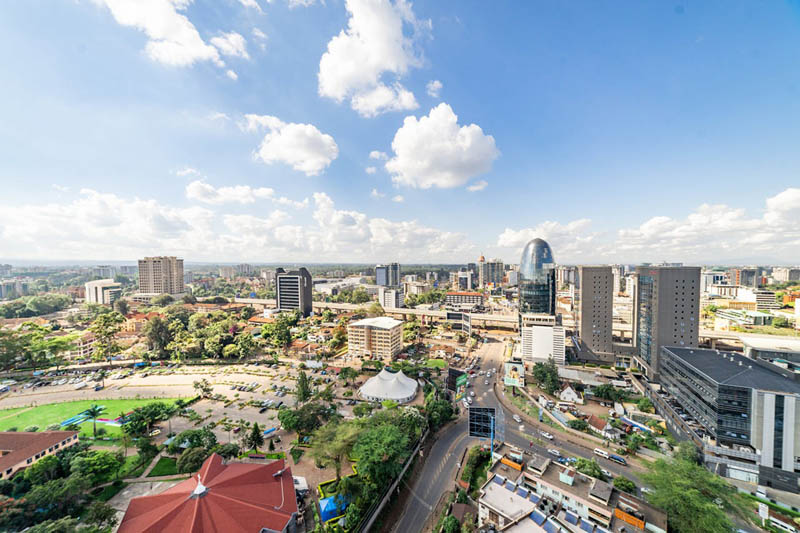
Nairobi stands out as a dynamic African metropolis where urban sophistication harmoniously meets untamed wilderness right at its doorstep. The city features a high-altitude climate that keeps the weather remarkably pleasant throughout the year, making daily exploration comfortable for residents and visitors alike. As a central economic and political hub in East Africa, it continuously draws a diverse international community, blending traditional Kenyan warmth with a rapidly growing modern lifestyle.
Top Attractions
The famous Nairobi National Park offers a rare opportunity to see majestic wildlife roaming freely against a backdrop of towering city skyscrapers. Visitors can enjoy close encounters with rescued animals at the David Sheldrick Wildlife Trust and the Giraffe Centre, both dedicated to critical conservation efforts. For a deeper cultural experience, the Nairobi National Museum displays an extensive collection of local history and contemporary art.
Quality of Life Criteria
Safety remains a primary concern that requires constant personal vigilance and awareness throughout the metropolis. While upscale residential areas and heavily policed business districts are generally safe during the day, petty theft and crime rates rise significantly after dark. Most residential communities rely on private security infrastructure and gated entries to ensure peace of mind for their residents. Visitors are routinely advised to use reliable ride-hailing services rather than walking through unfamiliar areas alone at night. Local authorities are actively working to improve security by expanding street lighting and increasing police presence in crowded zones.
The general cost of living presents a highly affordable option for individuals earning an international or expatriate salary. Local agricultural products, fresh groceries, and standard domestic services are reasonably priced and accessible to all budgets. However, choosing imported consumer goods or living in premium neighborhoods can rapidly increase your monthly expenditures. Rental prices vary dramatically depending on the specific district and the level of modern security provided. Overall, the city offers a comfortable lifestyle where budget flexibility allows for a very high standard of living.
The high altitude creates an exceptional climate that remains remarkably comfortable and temperate all year long. Summer months bring bright sunny days without the oppressive, humid heat found in coastal regions. The annual calendar features two distinct rainy seasons that effectively refresh the local landscapes and clear the air. Evenings can become pleasantly cool, often requiring a light jacket or sweater for outdoor dining. This unique weather pattern supports a vibrant, year-round outdoor lifestyle that serves as a major draw for newcomers.
Urban environmental management faces ongoing difficulties due to rapid commercial development and major infrastructure projects. Significant challenges include managing industrial air quality and reducing heavy vehicular emissions on busy main roads. Fortunately, the presence of massive green spaces like the nearby Karura Forest provides essential natural sanctuaries within city limits. Local civic groups are continuously advocating for cleaner rivers and more effective garbage disposal systems. The unique balance between dense concrete areas and protected wildlife reserves makes it a fascinating ecosystem.
The cultural scene is a colorful tapestry woven from deep tribal histories and diverse international influences. Creative minds gather frequently at contemporary art galleries, independent theaters, and live musical performances across the city. Traditional crafts and authentic handmade jewelry are proudly displayed at the famous weekly open-air Maasai markets. The local community enthusiastically celebrates its identity through annual fashion shows, book festivals, and culinary exhibitions. This dynamic mix ensures that there is always a unique cultural event to experience.
Daily commuting is heavily characterized by intense traffic bottlenecks during morning and evening rush hours. The public transit network relies heavily on privately owned minibuses locally known as matatus, which offer an adventurous and inexpensive journey. While major new bypass highways have successfully reduced long-distance travel times, central urban roads remain heavily congested. Dedicated infrastructure for walking safely or riding bicycles is unfortunately lacking in most parts of town. Most professionals prefer relying on digital ride-sharing applications to navigate the complex road network smoothly.
Private medical facilities provide high-quality healthcare services that easily meet strict international standards of safety and care. These premier hospitals feature advanced equipment and highly trained medical professionals who speak fluent English. Conversely, public healthcare centers often struggle with limited resources, longer waiting queues, and occasional equipment shortages. Comprehensive medical insurance is strongly recommended to easily cover the costs of private treatments and specialized procedures. Emergency ambulance response times can sometimes be delayed due to unpredictable traffic conditions on major routes.
The educational landscape is highly regarded and features some of the top-performing universities on the African continent. Families can choose from an excellent selection of prestigious international schools offering British, American, or French curricula. These premium educational institutions deliver top-tier instruction but come with substantial tuition fees. Public schools provide wide coverage across the region but often operate with large class sizes and limited funding. The city stands out as a major educational center that attracts ambitious students from all over East Africa.
Commercial services have experienced massive modernization, offering a great mix of local enterprises and international brands. Gigantic western-style shopping malls provide easy access to premium retail, massive supermarkets, and entertainment options. The country leads the world in mobile financial services, allowing people to pay for almost anything digitally using their smartphones. Excellent restaurants, artisan coffee shops, and specialized boutiques are widely distributed throughout the wealthier suburbs. Daily shopping is exceptionally convenient and efficiently caters to both traditional and modern tastes.
The capital city serves as the undisputed financial and corporate engine of the entire East African economic zone. It stands out as a booming tech hub, frequently referred to as the Silicon Savannah due to its endless startup innovation. Numerous multinational corporations choose this strategic location to establish their regional headquarters and operations. Budding entrepreneurs will find a highly connected business ecosystem packed with modern co-working spaces and investment groups. Exceptional professional growth and networking opportunities make it an incredibly attractive destination for ambitious individuals.
City Comparison
| Criterion | Nairobi | Johannesburg | Doha |
|---|---|---|---|
| 💰 Cost of Living | 7.2/10 | 7.5/10 | 5/10 |
| 🏠 Real estate | 550€ | 850€ | 2 200€ |
| 🚨 Safety | 5.5/10 | 4.5/10 | 9/10 |
| 🌡️ Climate | 250 days of sunshine | 300 days of sunshine | 320 days of sunshine |
| 💼 Economic Opportunities | 8.2/10 | 7.8/10 | 9/10 |
| 🚗 Transportation | 5/10 | 5.5/10 | 7.5/10 |
| Quality of life | 6.8/10 | 6.8/10 | 7.8/10 |